


Portuguese ports are accelerating the transition to a more sustainable model, positioning themselves as European benchmarks in promoting decarbonization and eco-efficiency. The implementation of innovative projects, investment in green technologies, and commitment to international sustainability goals highlight the role of Green Ports in Portugal.
This article provides a rigorous analysis, based on real data, of the main and most recent developments in national ports, with a special focus on the Port of Lisbon and the global outlook for the Portuguese port industry.
Port of Lisbon: Pioneering Sustainability
The Port of Lisbon is currently at the forefront of sustainable ports in Portugal, reinforcing its commitment to the European Green Deal through multiple strategic projects and large-scale investments. Since 2023, the Lisbon Port Administration has been implementing an ambitious plan to install onshore electrical infrastructure via OPS (Onshore Power Supply) technology, allowing docked ships to switch off combustion engines and connect to the port’s electrical grid.
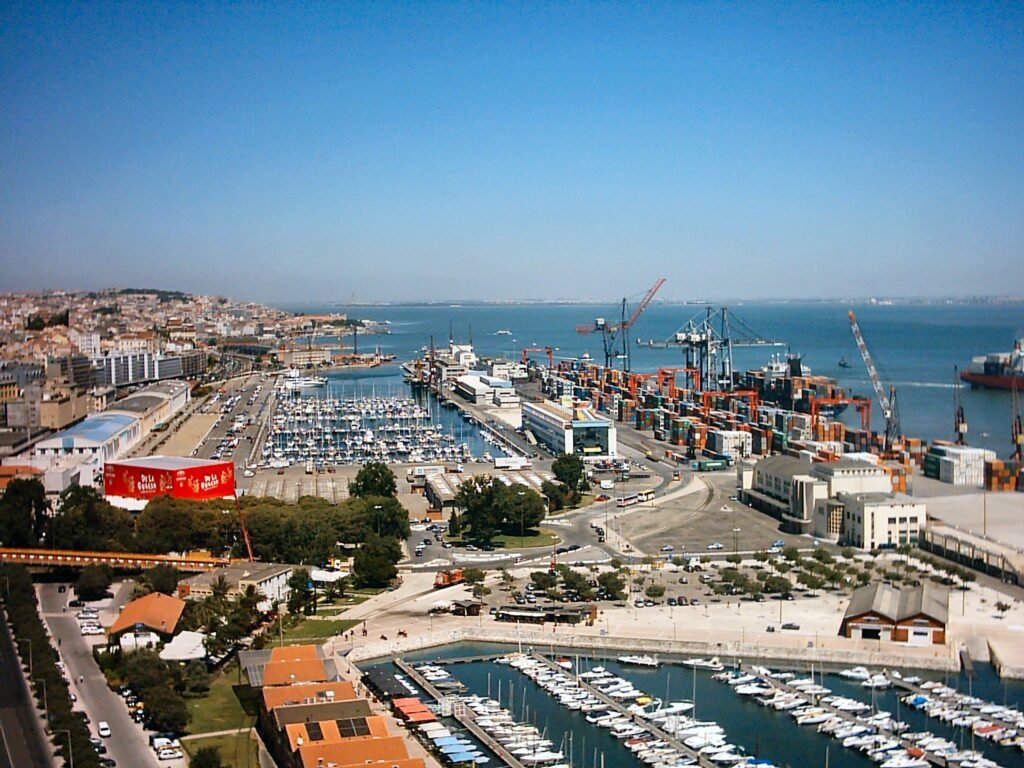
This measure translates into a significant reduction in CO₂, NOx, SOx, and particulate emissions, improving air quality in the city’s riverside area and attracting maritime operators who prioritize environmental requirements. The project is divided into two phases: the first, budgeted at 20 million euros, already has 2.7 million invested in the installation of the high-voltage line and electrical substation; the second phase, dedicated to terminals, will be the responsibility of concessionaires.
The OPS timeline includes studies and application for European funds (2022-2023), implementation start (2023), and expected completion in 2027, involving stakeholders such as Lisbon Cruise Port, EDP, and municipal authorities. The first phase is scheduled to enter operation in 2029.
Environmental Monitoring and Responsibility
In terms of emissions monitoring, the Port of Lisbon became the first port in southern Europe to adopt the Environmental Port Index (EPI), an innovative digital solution created in Norway that evaluates ship emissions in the port in real time, covering both cargo and cruise ships. This internationally accepted tool promotes accountability among shipping companies, enabling more transparent and informed management of the environmental impact of port activity. Since 2019, the EPI has become an international benchmark, encouraging CO₂ reduction and stimulating environmentally responsible practices in 39 European and Scandinavian ports.
APL publicly highlighted the role of the EPI and transparency in environmental monitoring, releasing in October 2024 the study “Air Quality Monitoring in the Surroundings of the Lisbon Cruise Terminal.” Data collected over one year showed that, despite occasional peaks, pollution levels remained within European limits, contributing to the creation of technical knowledge about the impact of port activity.
Renewable Energy and Innovation
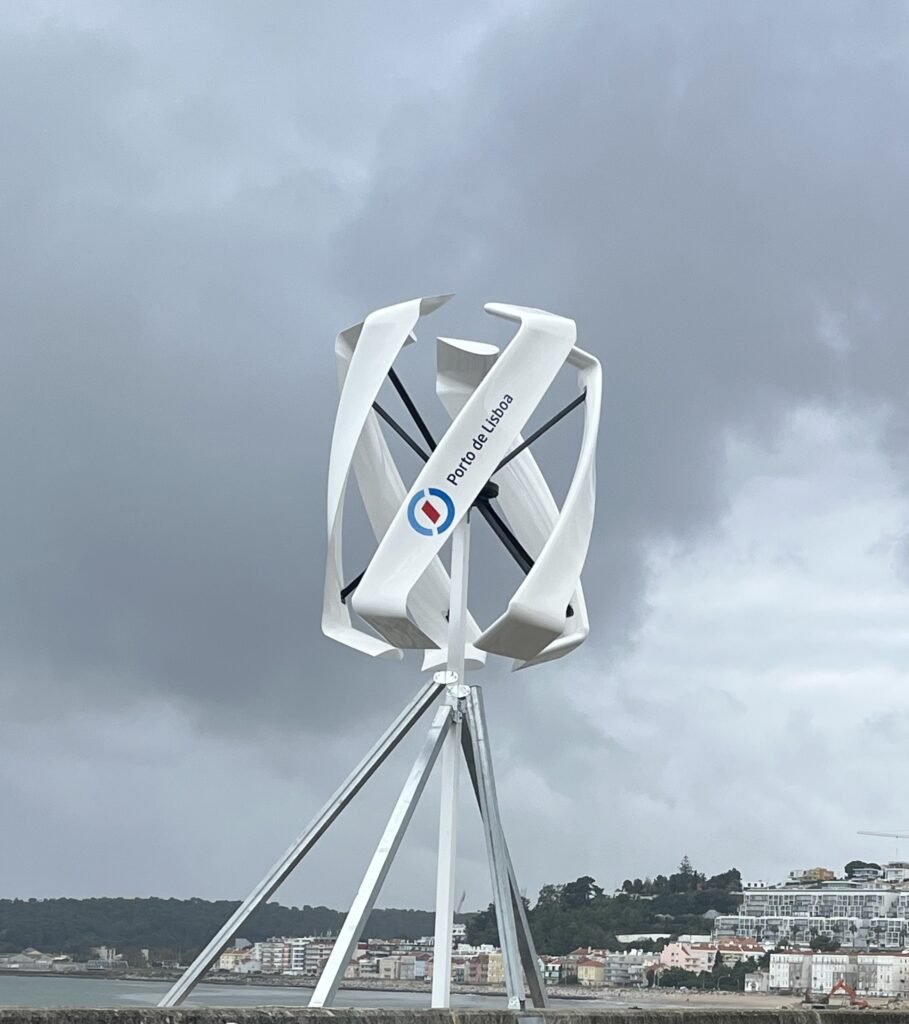
The Port of Lisbon’s commitment to clean energy is illustrated by the installation of the first WindCredible urban wind turbine in a national infrastructure, located in the VTS tower. This pilot project aims to be replicated at other points in the port and city, promoting energy self-sufficiency based on renewable sources.
In addition, photovoltaic solar panels have been installed on the APL building in Alcântara, and innovative projects such as Wavecom for water and energy monitoring and the SMART PORT LX intelligent system, in partnership with Nova IMS, for environmental and operational monitoring, reveal a clear commitment to digitalization and eco-efficiency.
Environmental ethics and open dialogue with entities such as Lisbon City Council, Turismo de Portugal, TAP, and environmental associations are enhanced by the coordination of the Cruise Activity Sustainability Committee. The Port of Lisbon strengthens cooperation in international networks, joining committees of organizations such as ESPO and Cruise Europe, also fostering partnerships with startups and research centers.
Economic and Social Impact
The impact of port activity in Lisbon extends beyond the municipality, reflecting positively on the national economy. In 2024, 360 cruise ship calls were expected, representing around 750,000 passengers—numbers that have grown consecutively. A Nova SBE study indicates that each call contributes an average of 2.29 million euros to GDP and creates 59 jobs, in addition to generating more than 900,000 euros in tax revenue. In 2023, the Lisbon cruise port represented 0.3% of national GDP, directly impacting 794 million euros.
Ports of Leixões, Madeira, and the Azores: Joint Efforts
The Port of Leixões is equally committed to meeting European deadlines for strengthening the electrification of port operations. APDL (Administration of the Ports of Douro, Leixões and Viana do Castelo) is preparing to ensure greener operations by 2030, through initiatives such as creating infrastructure for electric charging of ships, modernizing equipment, using electric buses and eco-friendly tugboats, as well as promoting alternative fuels.
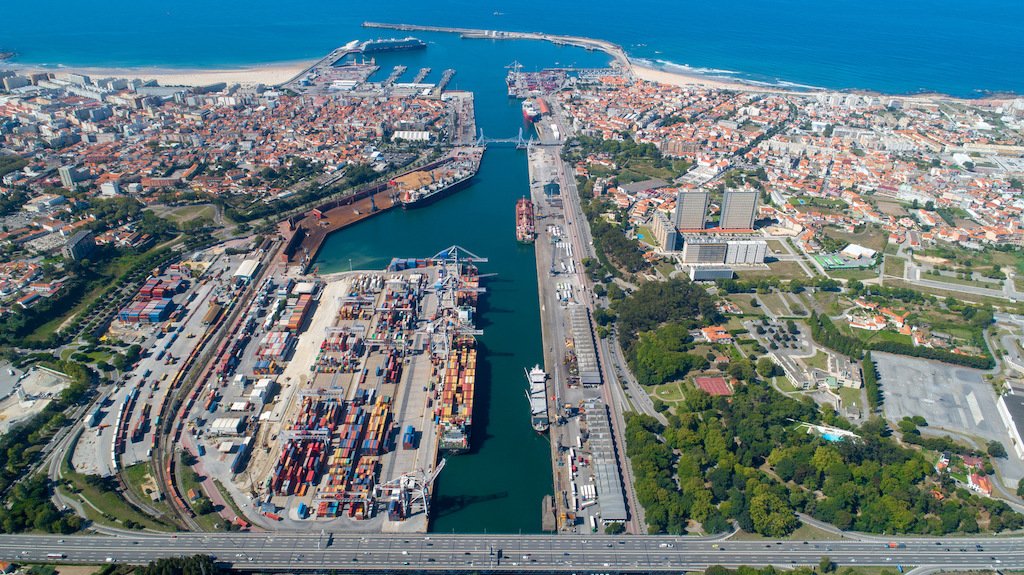
Investment in renewable energy, such as harnessing sun, wind, and waves, aims to achieve carbon neutrality by 2035, anticipating by 15 years the deadline set by the Paris Agreement. Digitalization and air quality monitoring are priorities, strengthening APDL’s social and environmental commitment.
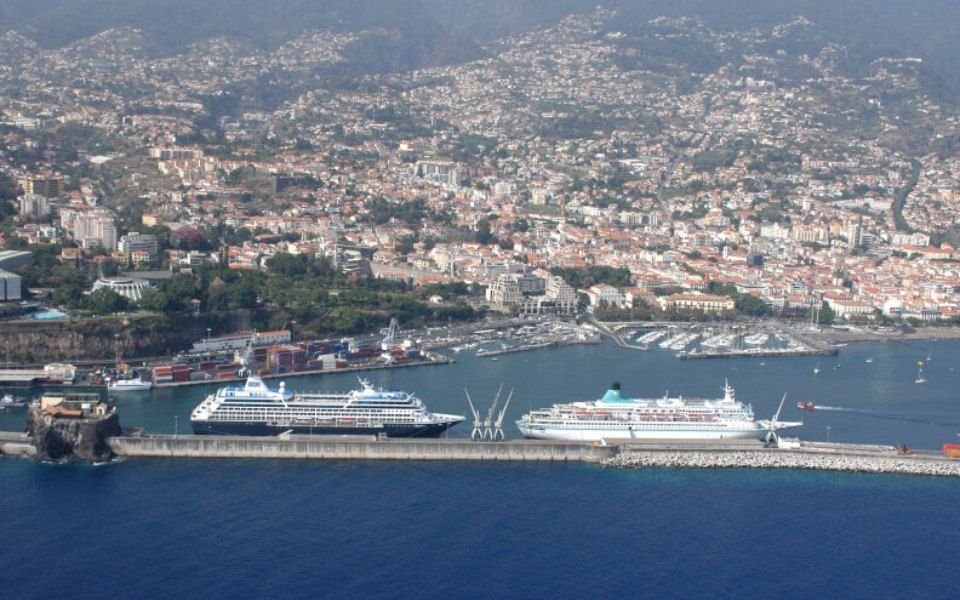
The port of Madeira, although outside the first phase of the European plan, is developing the Green Ports project, co-financed by the European Union, which includes technical and financial feasibility studies to implement OPS (Onshore Power Supply) in the ports of Funchal, Caniçal, and Porto Santo. It also participates in international projects such as SHIFT2DC, involving 30 entities from 12 countries and a budget of 11 million euros.
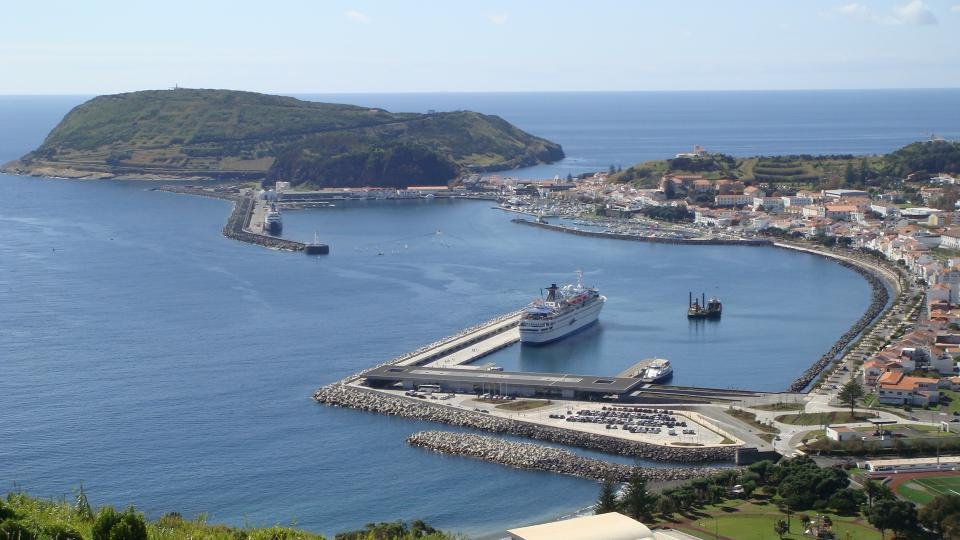
In the Azores, although costs and geographical dispersion are limiting factors, analysis of the economic viability for installing OPS is underway, especially for inter-island traffic on the islands of Faial, Pico, and São Jorge. Decisions will have to comply with European and national environmental regulations.
Maritime Industry: Challenges and Progress
The cruise industry has been investing in more environmentally friendly ships; currently, 52% of vessels are already equipped for OPS connection, and this number is expected to rise to 72% in 2028. However, only 3% of European ports currently have shore power sources installed, highlighting the challenge facing the port industry.
The full installation of the electricity supply system at the Lisbon cruise terminal will allow an estimated 77% reduction in greenhouse gas emissions compared to the 2019 baseline year. The terminal will have capacity to supply power to three ships simultaneously and is designed for future expansions. This is a strategic investment that leverages the environmental, reputational, and operational positioning of the Port of Lisbon compared to Iberian ports.
In conclusion…
Portugal is establishing itself as a leader in the sustainable transformation of its ports, approaching the challenges of energy transition with pragmatism and innovation. Massive investment in electrical infrastructure, environmental monitoring, renewable energy, and eco-efficient practices materializes in concrete data and results recognized at European level.
Green Ports in Portugal, led by Lisbon, demonstrate how technical rigor, transparency, and adaptation to international needs can contribute to a cleaner, more resilient, and economically dynamic future. It is believed that, with the strengthening of cooperatives, digitalization, and multi-stakeholder involvement, it will be possible to achieve ambitious goals and maintain Portugal as a global benchmark in port sustainability.
This article was prepared from real sources, gathered from news, official statements from the Lisbon Port Administration, APDL, and APRAM, as well as sector studies published between 2023 and 2025.

