


Nations’ Park is one of the most modern Lisbon neighborhoods in the city and an attraction in its own right. It emerged in connection with Expo 98 – the 1998 Lisbon International Exhibition, whose theme was “The oceans: a heritage for the future”. Hence the origin of the name including “nations”, since the event welcomed countries from all over the world.
After Expo 1998, instead of dismantling everything, the site remained with all the installations and constructions and, currently, it is one of the tourist areas in Lisbon where modernity and art are very present.
Expo 98 put Lisbon on the international map and gave rise to the current Nations’ Park, a modern area that combines tourism, business, and sustainability. Highlights include the Gare do Oriente, the Vasco da Gama Tower, the Portugal Pavilion, and the Passeio dos Heróis do Mar. Recognized as a smart city, the neighborhood integrates green areas, cultural spaces, and corporate headquarters, preserving the legacy of the exhibition.
Nations’ Park was built in an area formerly occupied by factories and warehouses, and includes a number of modern buildings and structures, including a congress center, an exhibition center, and an oceanarium.
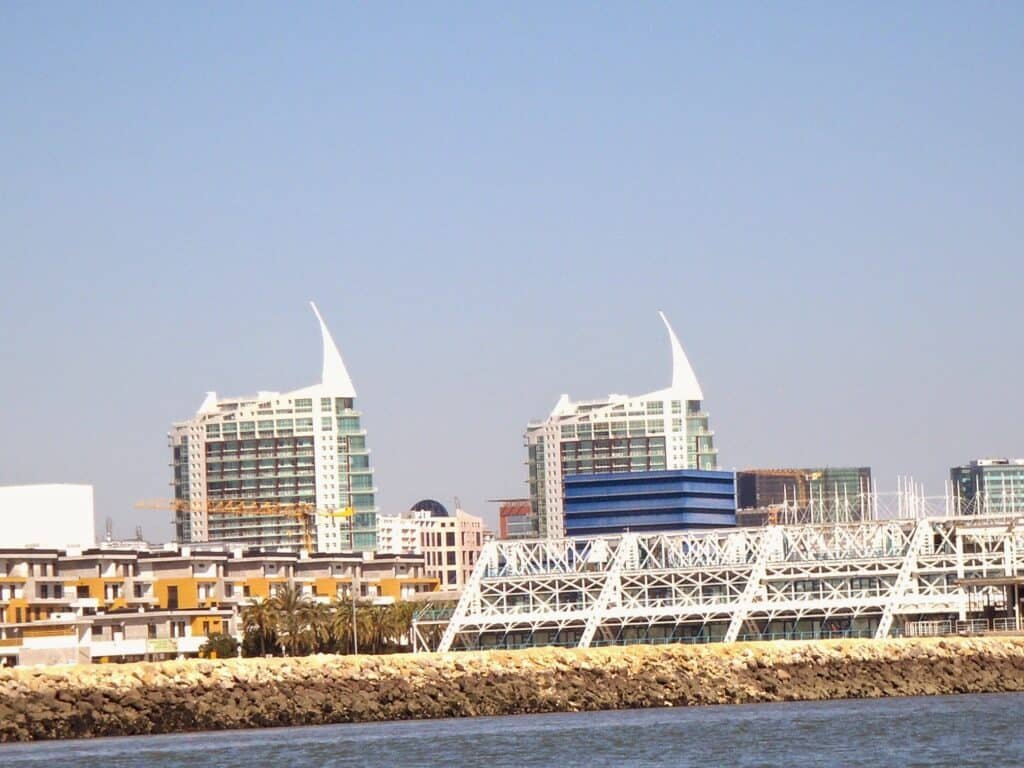
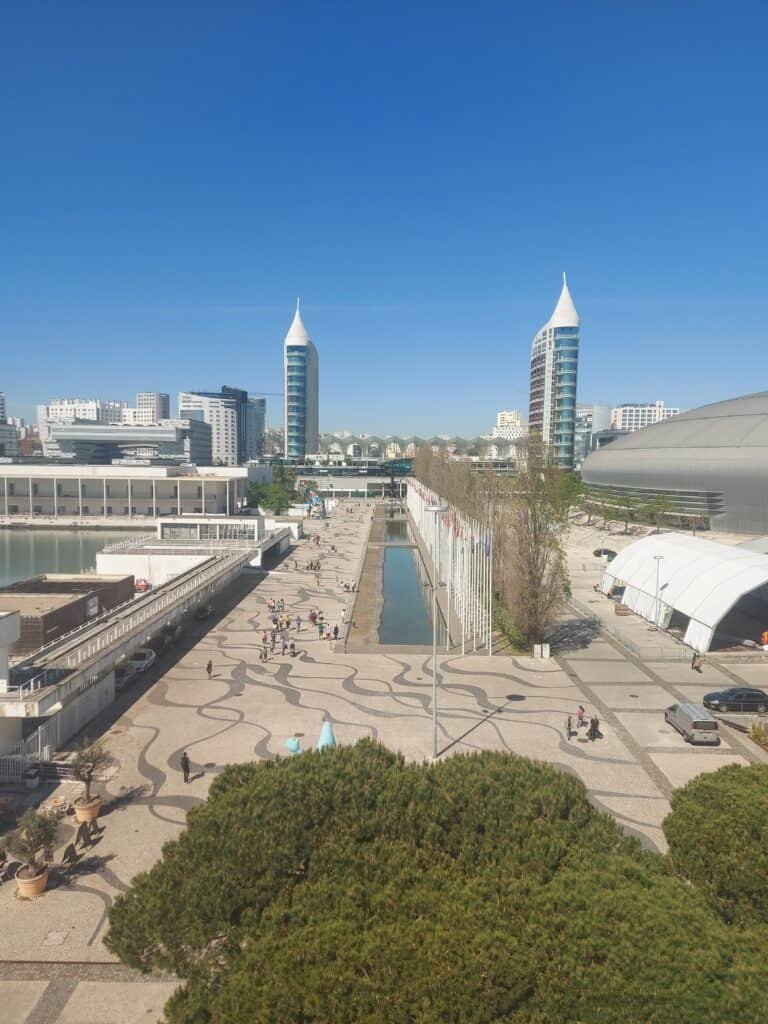
One of the main landmarks in Nations’ Park is the Vasco da Gama Tower, which is 140 meters high.
Nations’ Park Marina
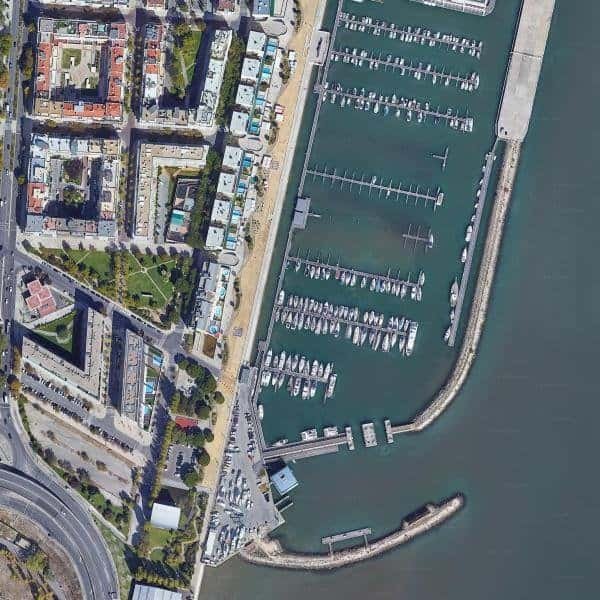
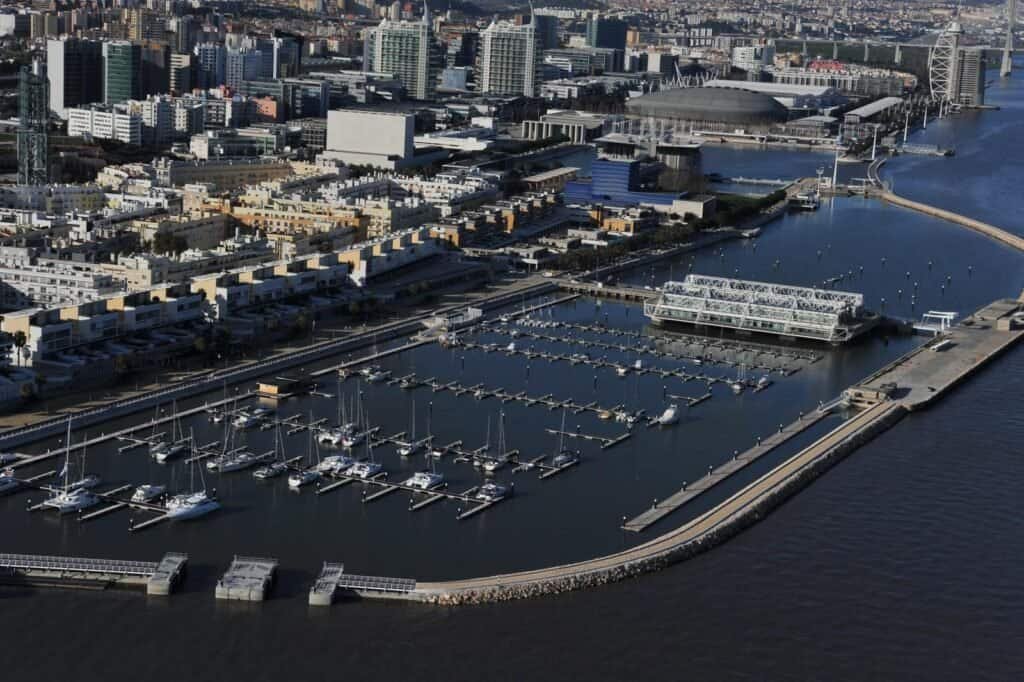
The Nations’ Park Marina, located in Lisbon, is a modern infrastructure that stands out for its integration into a revitalized urban area. Situated in the heart of the former Expo 98 site, the marina reflects the spirit of innovation and sustainability that characterized the world exhibition.
With a capacity for around 400 berths, the marina offers privileged conditions for sailors, including access to maintenance services, fuel supply, and 24-hour security. Its strategic location on the Tagus River estuary provides panoramic views and easy access to the city center, making it an ideal starting point for exploring Lisbon or heading towards the Atlantic Ocean.
One of the most curious aspects is its lock system, which regulates the water level, allowing for stable use protected from the Tagus tides. The marina is also surrounded by a wide range of restaurants, cultural spaces such as the Lisbon Oceanarium, and leisure areas.
The Nations’ Park Marina is an example of how innovation and sustainability can transform an urban area into a multifunctional and attractive space.
The Lisbon Oceanarium
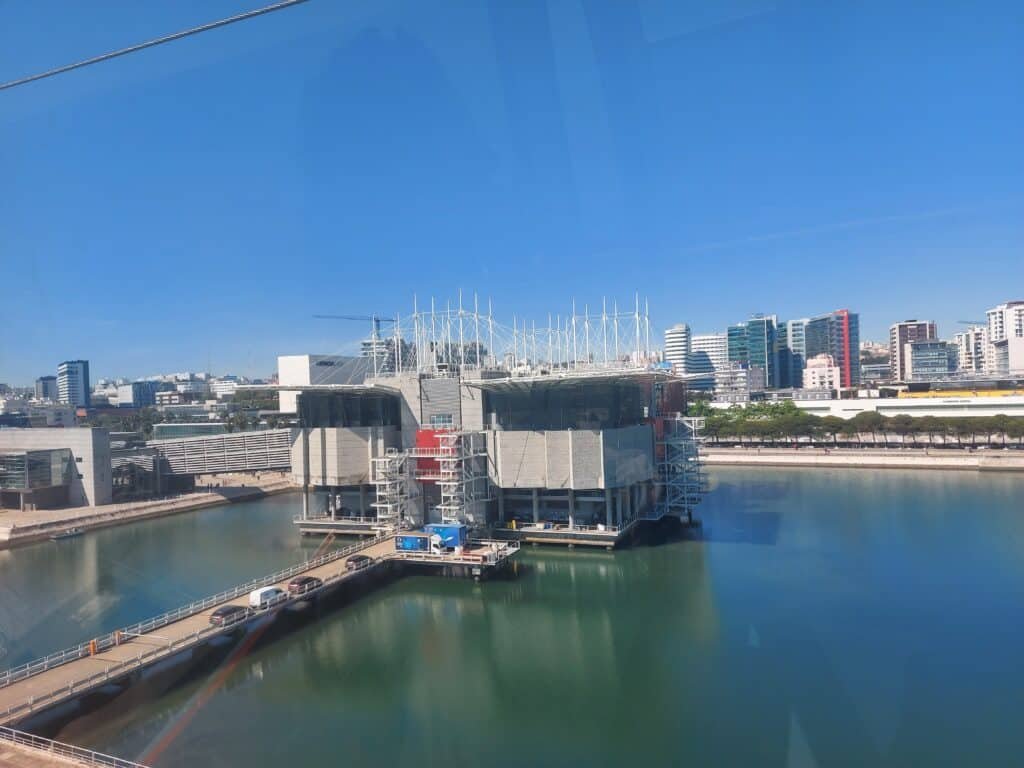
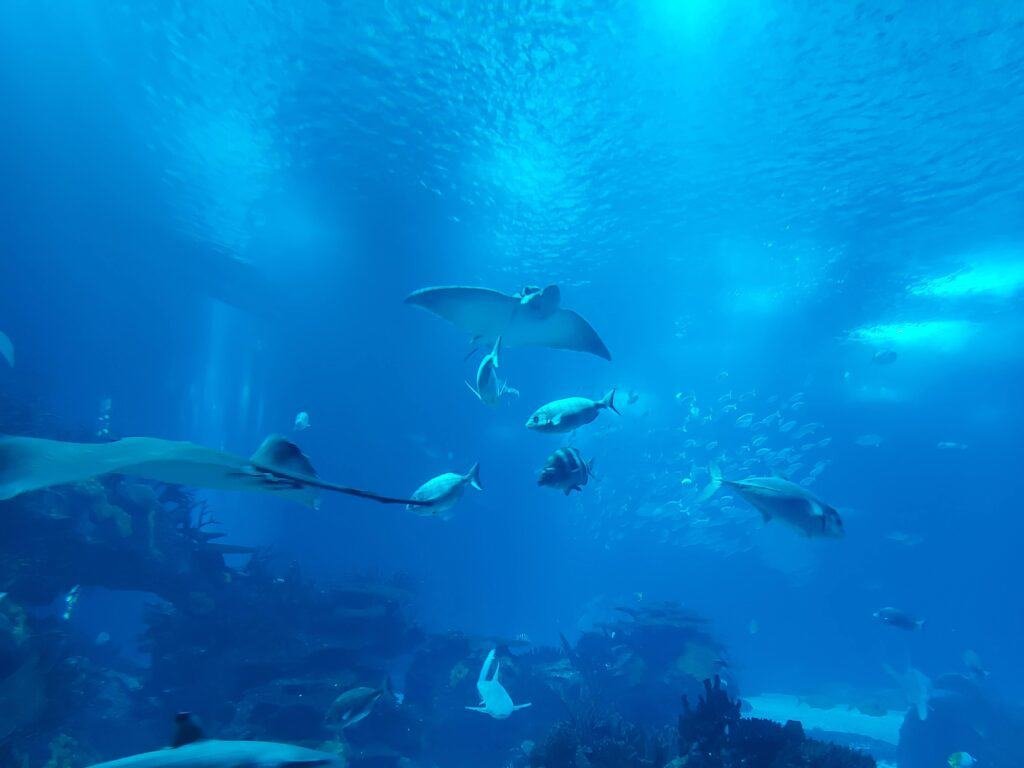
The Lisbon Oceanarium, originally the Oceans Pavilion, is also another popular attraction in Nations’ Park. It is the second largest oceanarium in Europe and houses a variety of marine species, including sharks, penguins, rays, and tropical fish. That is, more than 8,000 animals from a total of 500 different species coexist in their habitat.
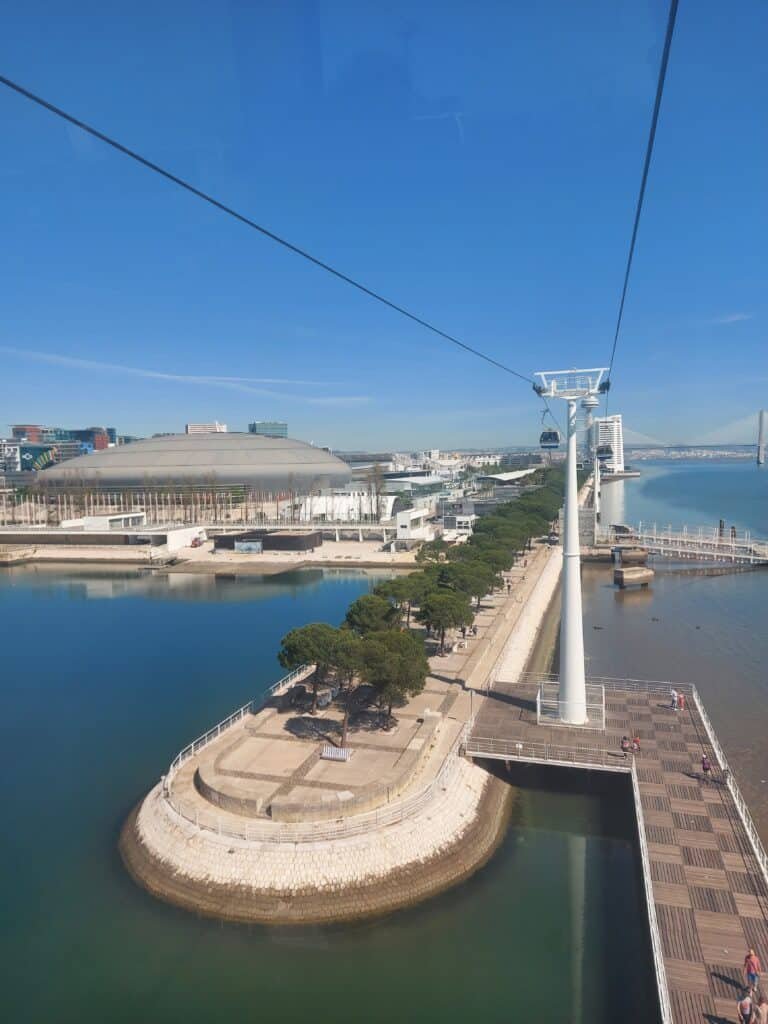
Nations’ Park is a large urban park with surprising themed gardens and offers a variety of outdoor activities, including, among others, walking, cycling, and skating. Additionally, the cable car ride is a very popular activity where you can discover this area from a unique perspective in a very peaceful way.
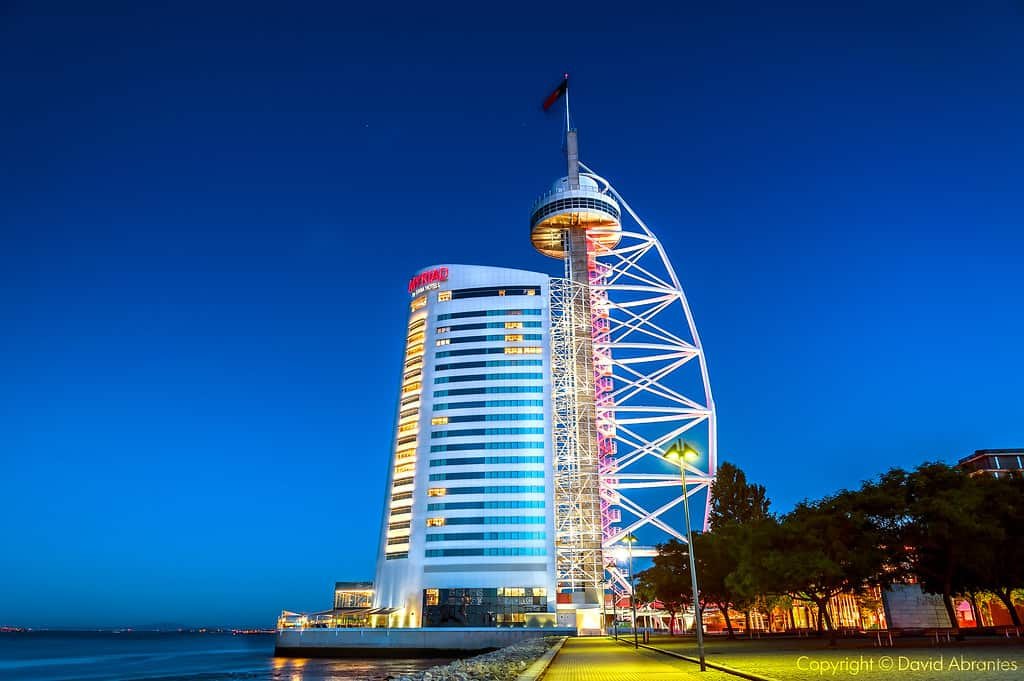
Currently, it features a range of cultural and leisure facilities. The Camões Theatre, the Lisbon Casino, the Pavilion of Knowledge, the Portugal Pavilion, and the Vasco da Gama Shopping Center are just a few examples of structures that can be visited in this area of Lisbon.
All this along the Tagus River, enjoying more than five kilometers of breathtaking landscape in the heart of Lisbon, with easy access and parking, combined with a wide range of shopping and dining options.
Practical tips for visiting Nations’ Park
Nations’ Park is accessible by metro, train, bus, or car, and is most pleasant in spring and summer, but active all year round. It hosts cultural and sporting events and congresses, and offers boat and cable car rides with views over the Tagus and the Vasco da Gama Bridge.


