Nautical Tourism, originating from sports tourism, focuses on activities linked to the aquatic and maritime environment. Divided between leisure and competition, this sector covers three major segments: cruises, recreational boating, and maritime-tourism activities (Freitas, 2010).
Growth and Economic Impact
According to TNEWS (2024), in 2023, “three out of four travelers who participate in outdoor activities considered them essential to their trip,” reflecting the growing preference for holidays linked to nature tourism, such as boat trips and land-based activities (ICNF – Institute for Nature Conservation and Forests). This trend arises from the change in people’s behavior regarding free time management and the desire to escape the routine.
Portugal continues to stand out internationally in the tourism sector, with increases in 2024 of 4% in overnight stays, 5.2% in the number of guests, and 8.8% in tourism revenue compared to 2023, reaching 27.7 billion euros in revenue (Turismo de Portugal, 2025).
Nautical tourism follows this evolution, driven by major international competitions such as The Ocean Race (formerly the Volvo Ocean Race) and the Tall Ships Races. This segment has a strong impact on the local economies of coastal cities, boosting hotels, restaurants, and other tourist services.
Technological Innovations in Nautical Tourism
Technological advancement has boosted nautical tourism with the emergence of online booking and payment platforms, improvements in vessel safety and efficiency, more eco-friendly engines, navigation apps, and boat rental systems. These innovations have attracted more and more tourists looking for more sustainable and responsible tourism options.
Within its 2027 Strategy, Turismo de Portugal defined transforming the country into a Smart Destination as a priority, accelerating innovation in nautical tourism through digital resource management, personalization of the tourist experience, and the adoption of sustainable technologies (Turismo de Portugal, 2017). This approach aims to make the sector more competitive, efficient, and aligned with the new demands of travelers.
Sustainability in the Nautical Sector
Nautical tourism has been adopting more sustainable practices, driven by the growing concern of tourists to reduce their ecological footprint. Companies are investing in electric or hybrid vessels and promoting activities aligned with local environmental guidelines.
The Port of Lisbon stood out as the first in Southern Europe to join the EPI network, monitoring ship emissions to encourage more responsible practices (Port of Lisbon, 2025). In Portugal, ports such as Lisbon, Leixões, and Matosinhos follow “green port” practices—a concept that promotes the adoption of environmental practices in ports, requiring significant investment to ensure greater sustainable competitiveness (Vega-Muñoz, Salazar-Sepulveda, Espinosa-Cristia, & Sanhueza-Vergara, 2021).
At an international level, research proposes integrating renewable energy sources in ports, such as solar, wind, and wave energy (Vega-Muñoz et al., 2021). These initiatives further strengthen environmental competitiveness and drive more responsible practices in nautical tourism, with examples like the Click&Boat platform, which promotes efficient and sustainable boat rentals.
Source: (TravelBI, 2025)
Nautical tourism in Portugal has grown, offering various activities such as sailing, surfing, diving, boat trips, and river cruises.
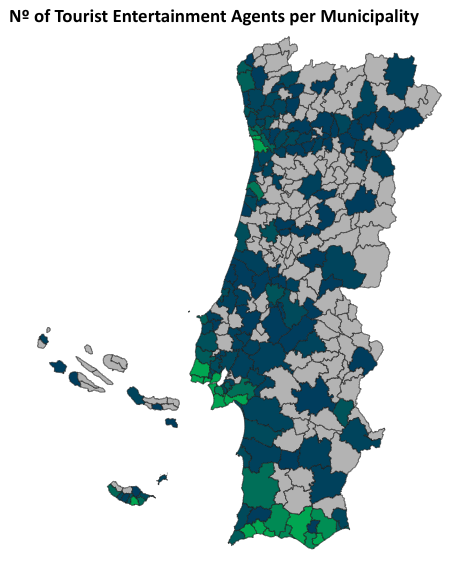
The geographical distribution of maritime-tourism operators in Portugal is concentrated in the most touristic coastal regions, with the Algarve (26.7%) and Greater Lisbon (23.4%) leading the offer. This confirms the importance of proximity to the coast and large urban centers, while also pointing to expansion opportunities in areas such as Alentejo and the Center (TravelBI, 2025).
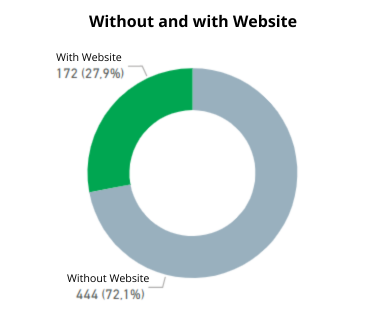
Currently, there are 1,452 registered operators; however, only 29% have their own website, highlighting the need for digital transformation. To stand out in a competitive market, operators in Lisbon, Porto, and the Algarve must invest in digital strategies and service innovation (TravelBI, 2025). In this regard, Lisbon Sight Sailing is proud not only to have been the first company in Lisbon to provide an online booking and payment system on its site, but also for its constant search for innovation in its offers and processes.
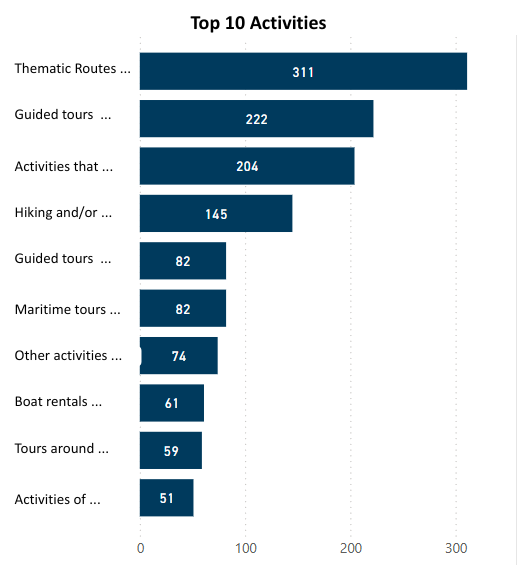
Although maritime tourist trips already have some presence in 2025, they are not in the top 5 most sought-after activities, which reveals a growth opportunity, especially if operators integrate cultural, gastronomic, or nature experiences into their itineraries (TravelBI, 2025).
Future and Perspectives of Nautical Tourism
Nautical tourism in Portugal is expected to continue growing, driven by technological innovation, sustainability, and the diversification of experiences. New tourist motivations following the Covid-19 pandemic have also contributed to accelerating this development.
Despite the good prospects, it is essential to ensure that vessels become increasingly accessible and diversified, facing challenges such as pressure on coastal infrastructure and the need for sustainable management of marine resources (Sardinha, 2025). The adoption of responsible and smart tourism strategies will be crucial to protect ecosystems and ensure the quality of life for local communities.
In Portugal, nautical tourism is considered a driver of tourism revitalization, integrated into the territorial enhancement defined by the Tourism Strategy 2027 (Turismo de Portugal, 2017). Furthermore, this commitment aims to improve navigability conditions, modernize piers, create docking platforms for recreational vessels, and develop river infrastructure in the country’s interior (Lopes, 2022).
On the Tagus River, the future will involve balancing the tourism value of the estuary with the preservation of sensitive ecosystems. Climatic and human pressures will require integrated management, sustainable innovation in nautical activities, and reinforced environmental policies to ensure the long-term viability of the destination.
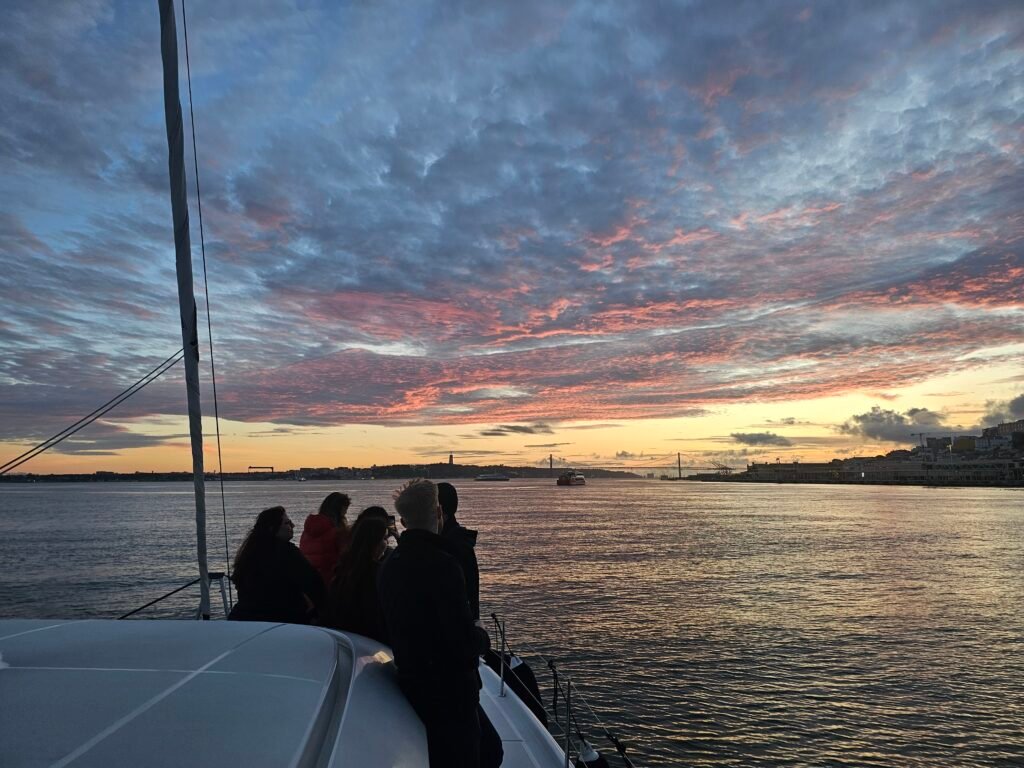
In summary, nautical tourism has evolved significantly, driven by innovation, sustainability, and the demand for new experiences. To keep up with this growth, companies must invest in technology and responsible practices. This sector has a strong impact on the local economy and reinforces the attractiveness of coastal destinations.