


The Tall Ships Race promises to transport you to a bygone era where the thrill of discovery and the allure of the open sea reign supreme. So get ready to embark on an unforgettable journey with the Tall Ships Race Magellan – Elcano and come and see the world’s greatest sailing ships up close.
To give you an idea of just how big this regatta is, we’ll tell you how it all began, which sailboats are always present and when you can see this “phenomenon” up close.
Tall Ships Race history
The Tall Ships Race has a prestigious history and deep significance in the maritime community. Undeniably, this international sailing competition brings together some of the world’s greatest sailboats and was created to preserve tradition and provide the opportunity for competition for sailors and enthusiasts.
Born in 1480, Ferdinand Magellan was the Portuguese navigator, in the service of Castile at the time of the Discoveries, who stood out for having led the first circumnavigation trip around the world. With the purpose of discovering new routes, Ferdinand Magellan planned and commanded the maritime expedition.
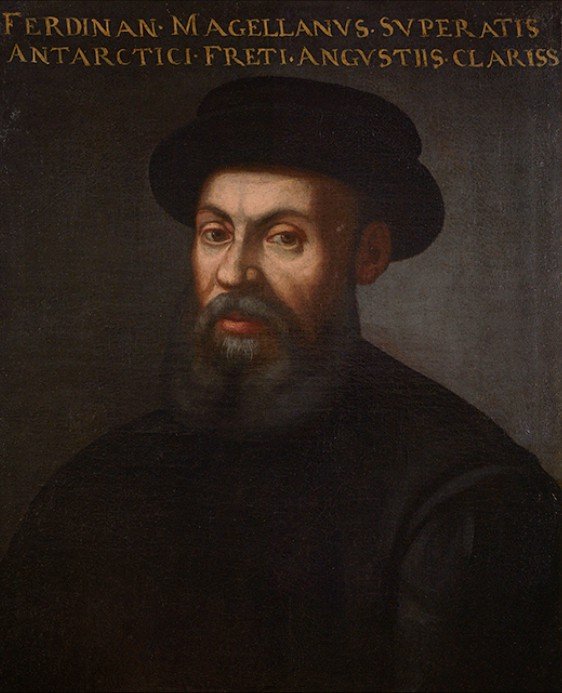
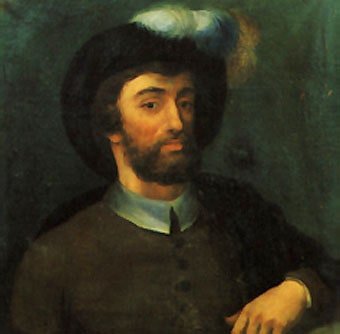
The start of the journey
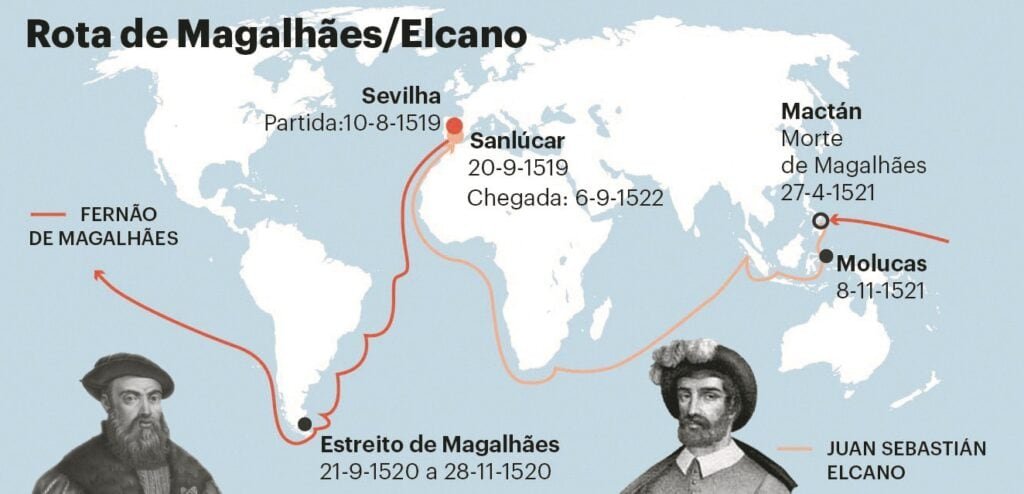
In 1519, Ferdinand Magellan began the journey that would take him across the Atlantic, Pacific, and Indian Oceans. The captain of the fleet went in search of a new route to the Indies via the West. Five ships with more than 265 men set off for Tenerife, followed by Rio de Janeiro and Uruguay, finishing the reconnaissance of the Río de la Plata estuary. After arriving at the port of San Julián, a rebellion of Castilian captains against the Portuguese navigator occurred, and shortly after, the ship Santiago sank.
Crossing the Pacific
The crossing of the Pacific Ocean begins. In the first quarter of 1521, they discovered the islands of St. Paul, the Sharks, and the Marianas. After months of hunger, thirst, disease, and violence, they reached the Philippine archipelago.
The day of Magellan’s death
On April 27, 1521, before completing his journey, the Portuguese navigator died in battle at the hands of tribal chief Lapu-Lapu in the Philippines.
After Ferdinand Magellan’s death, the journey was commanded by Juan Sebastian Elcano. The return was made aboard the only surviving ship, the Victoria, circumnavigating the Indian Ocean and rounding the Cape of Good Hope. Three years after their departure, Sebastian Elcano and the remaining crew (18 men) returned to Spain and the port of Sanlúcar.
Despite all the battles and challenges, the expedition brought few financial benefits. However, this voyage confirmed all theories about the Earth’s sphericity and initiated the process of globalization.
The first year of the competition
The first Tall Ships Race was held in 1956, sailing from Torbay to Lisbon. Since then, it has become a world-renowned event, attracting thousands of participants and spectators to every edition.
The route takes participants on a journey around the world, allowing them to experience the same spirit of exploration that guided the explorers of the past. During the regatta, sailors face the open sea and weather challenges while visiting historic ports along the way.
In this way, maritime history and culture are celebrated, and the great tall ships are kept alive as witnesses to the glorious past of navigation.
Fun fact alert
The crew of the Tall Ships Races vessels must be composed of “50% young people between 15 and 25 years old—a premise that has existed since the first regatta.” This allows groups of young volunteers to be introduced to the core crew at each new stage.
This idea originated with the first regatta over 65 years ago and therefore still applies today.
The world’s largest sailing ships are arriving in the waters of the Tagus
One of the most exciting parts of this competition is the variety of sailboats that participate. Each vessel has unique characteristics that make them worthy of admiration.
Among the participants, we can find majestic three-masted ships such as the Cuauhtemoc, the Georg Stage, and the Dar Mlodziezy.
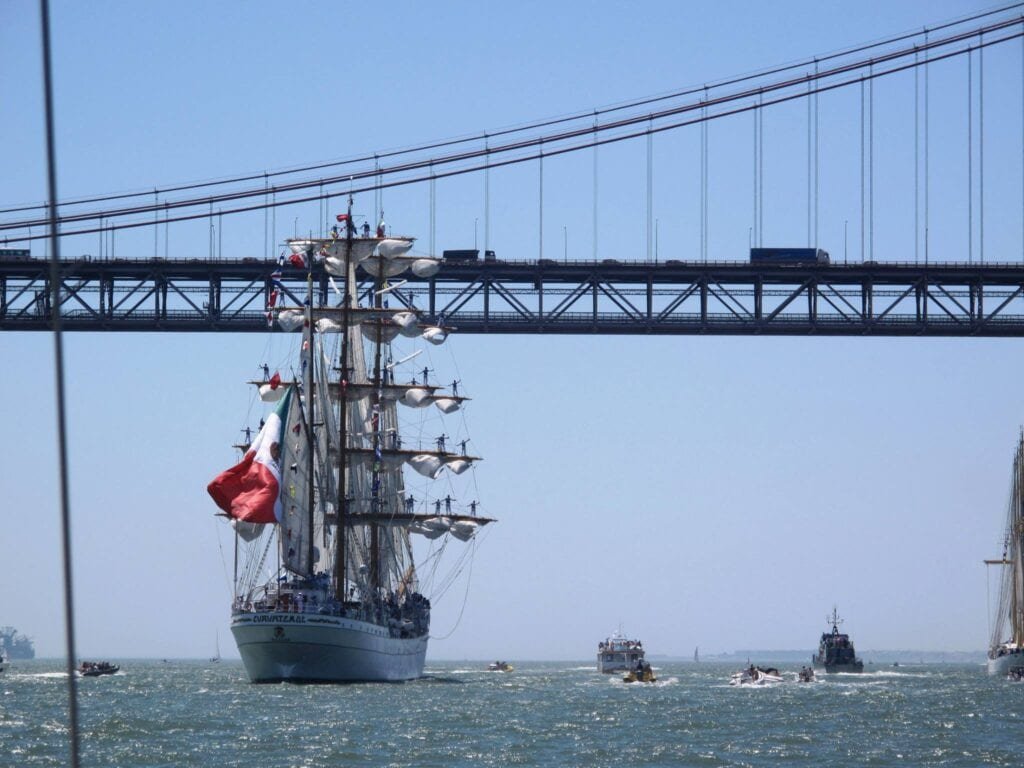
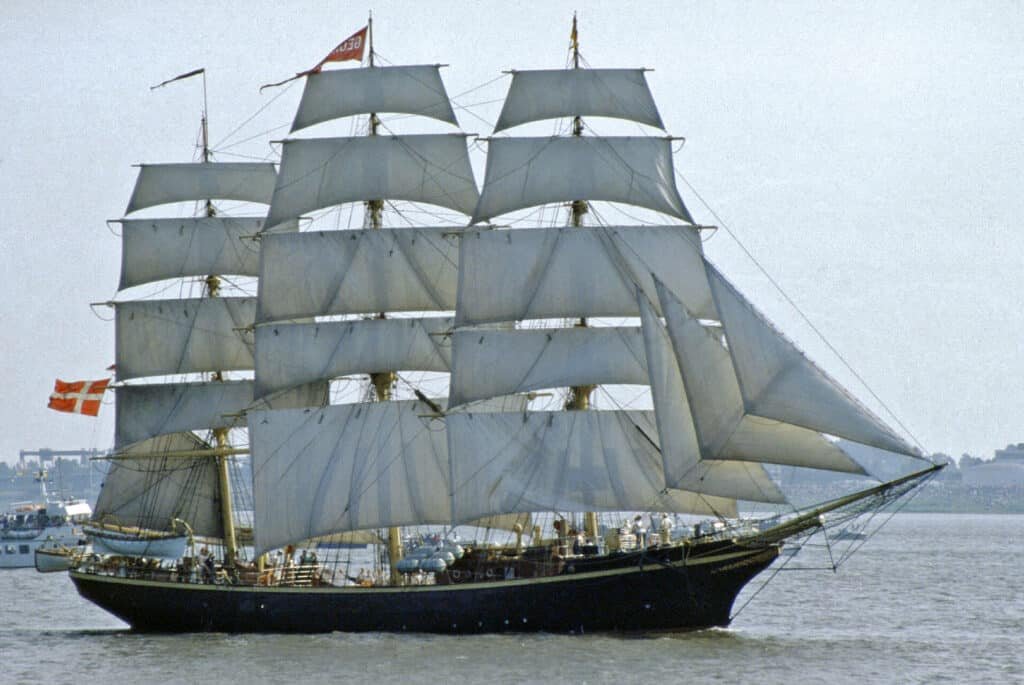
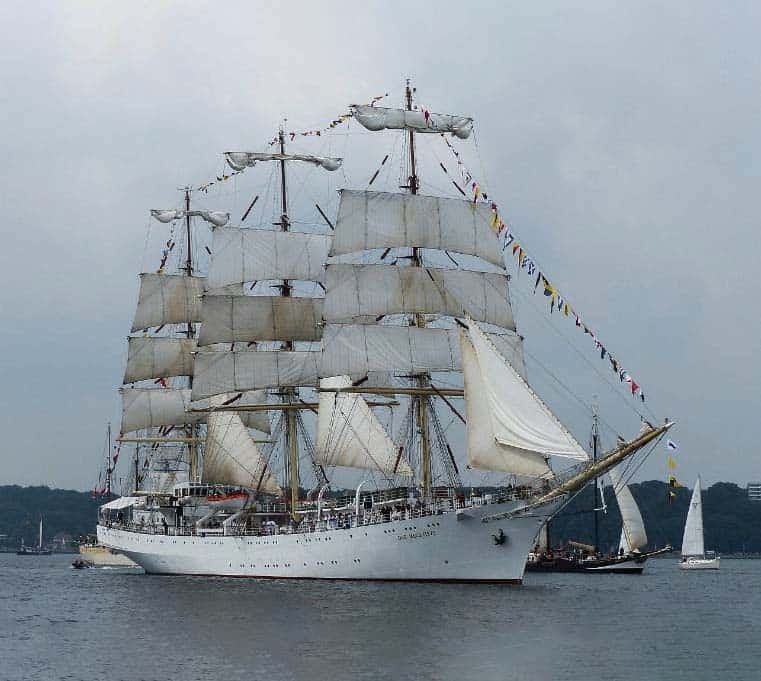
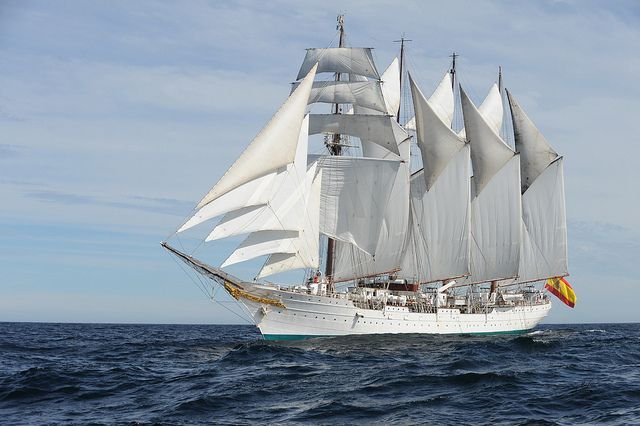
In addition, there are also historic warships, such as the Juan Sebastian Elcano, which has a rich heritage and is an icon of the Spanish Navy. Each ship brings with it a fascinating story and a legacy honored during the regatta.
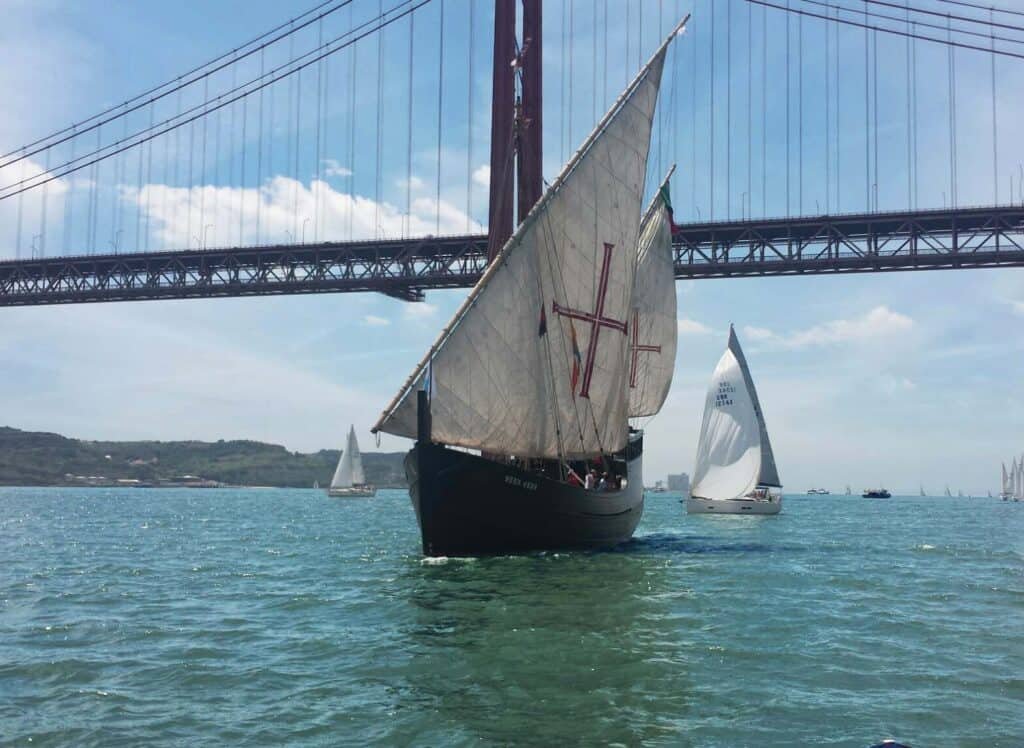
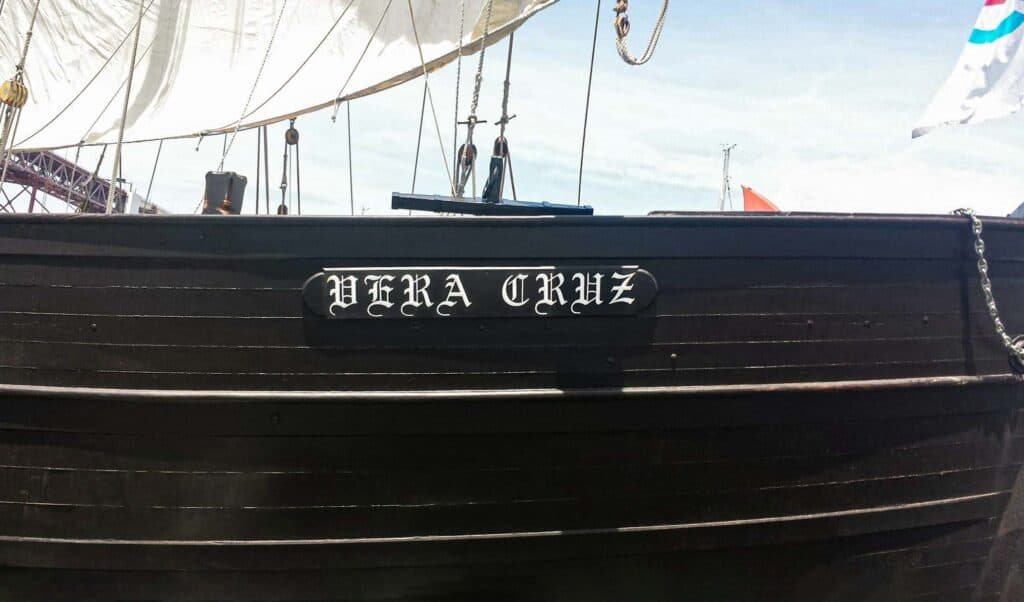
If you want to participate in this regatta and embark on this adventure from Portugal, the Portuguese caravel “Vera Cruz” will also be present. From August 19 to 26, the caravel makes the journey from Lisbon to La Coruña. From August 26 to September 2, it sails from La Coruña to Lisbon. And finally, from September 2 to 9, it departs from Lisbon toward Cádiz, where its journey ends.
If you have any further questions, find out more here.
The Tall Ships Race will pass through Lisbon
The “Tall Ships Race Magellan – Elcano 2023” has become a symbol of maritime excellence, celebrating the spirit of discovery and the indomitable human will. The regatta was created primarily to celebrate the first circumnavigation of the world by Ferdinand Magellan and Sebastian Elcano.
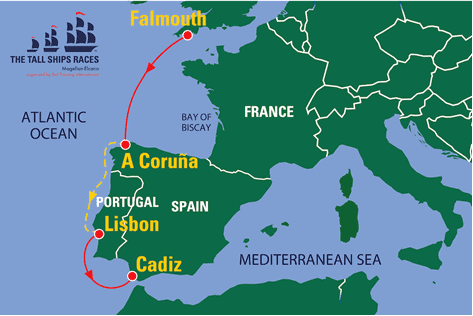
This competition will begin on August 15 in Falmouth (UK), passing through Coruña (Spain) until reaching Portuguese waters. Between August 31 and September 3, this regatta will pass through Lisbon, providing an opportunity to watch this exciting spectacle on the Tagus River.
Finally, the Tall Ships Race Magellan – Elcano will conclude between September 7 and 10 in Cádiz, Spain.
Whether as a competitor or a spectator, the Tall Ships Race involves everyone in the wonderful world of sailing ships. Don’t miss the opportunity to see this regatta up close.
In summary
From its humble beginnings to its triumphant modern edition, the Tall Ships Race has become a symbol of maritime excellence, celebrating the spirit of discovery and the indomitable human will.
Step aboard the vessels that embody maritime history and follow in the footsteps of explorers like Ferdinand Magellan and Juan Sebastián Elcano.
So, whether you are a sailor or simply someone looking for a unique experience, this is your chance!
Or, if you just want to see these magnificent vessels while they are docked in Lisbon, you should do so between August 31 and September 3; on this last day, you can also enjoy the grand moment of their departure spectacle, through the mouth of the Tagus toward the Atlantic.


