


The Folk Art Museum (FAM) in Lisbon has a history that goes back to the 19th century. At first, it was designed as a pavilion for the “Popular Life Section” of the Portuguese World Exhibition in 1940. Five years later, a new project emerged that initiated the transformation of the previous pavilion into the Folk Art Museum. This project consisted of adapting the previous building into a museum.
The museum opened on July 15, 1948. It has rooms with the permanent collection and a space for temporary exhibitions, divided into five compartments.
The museum’s commitment to preserving and promoting art is evident in its extensive restoration efforts. In 2010, the Folk Art Museum underwent upgrading works due to its advanced state of disrepair.
Nowadays, the museum is in charge of the Ethnology Museum and is a cultural landmark in Lisbon, attracting art lovers from all over the world.
The museum’s collection is diverse, with artworks from various periods and artistic movements. In fact, it features Portuguese and international artists, offering a comprehensive view of the art world. The museum houses a wide range of artworks that cater to different tastes and interests. Thus, each piece tells a unique story, offering a glimpse of the artist’s vision and the historical context in which it was created.

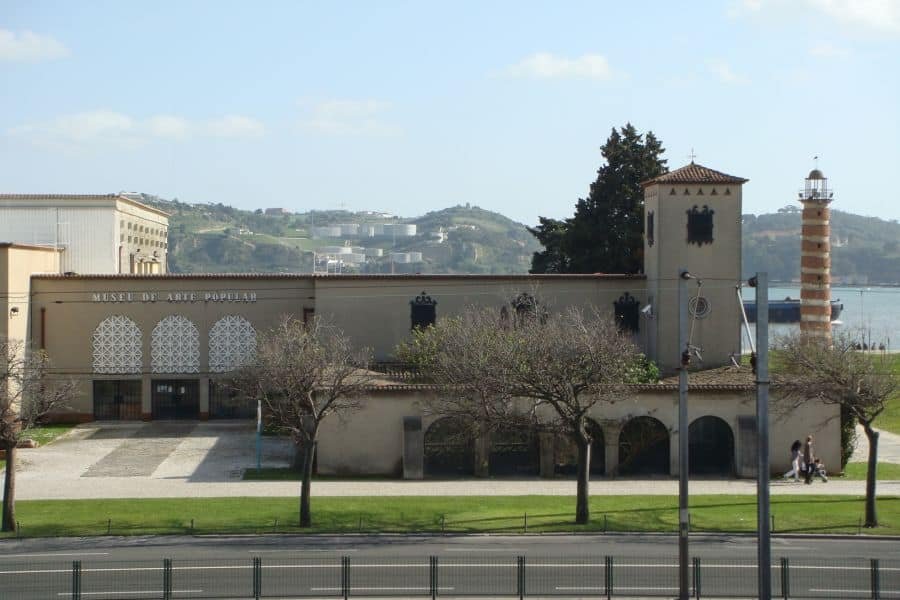
Museum architecture and design
Lisbon’s Folk Art Museum is not only a treasure trove of art, but also a masterpiece of architecture and design. The building itself is an architectural marvel, seamlessly blending modern and traditional elements. Its elegant lines and glass windows create a sense of openness and allow natural light to flood the exhibition spaces.
Inside, the museum was designed to enhance the visitor experience. In other words, the galleries are spacious and well lit, providing the perfect setting for contemplation and immersion in the artworks. The layout is intuitive, guiding visitors through different sections and ensuring a smooth flow from one exhibition to the next.
Exhibitions and collections
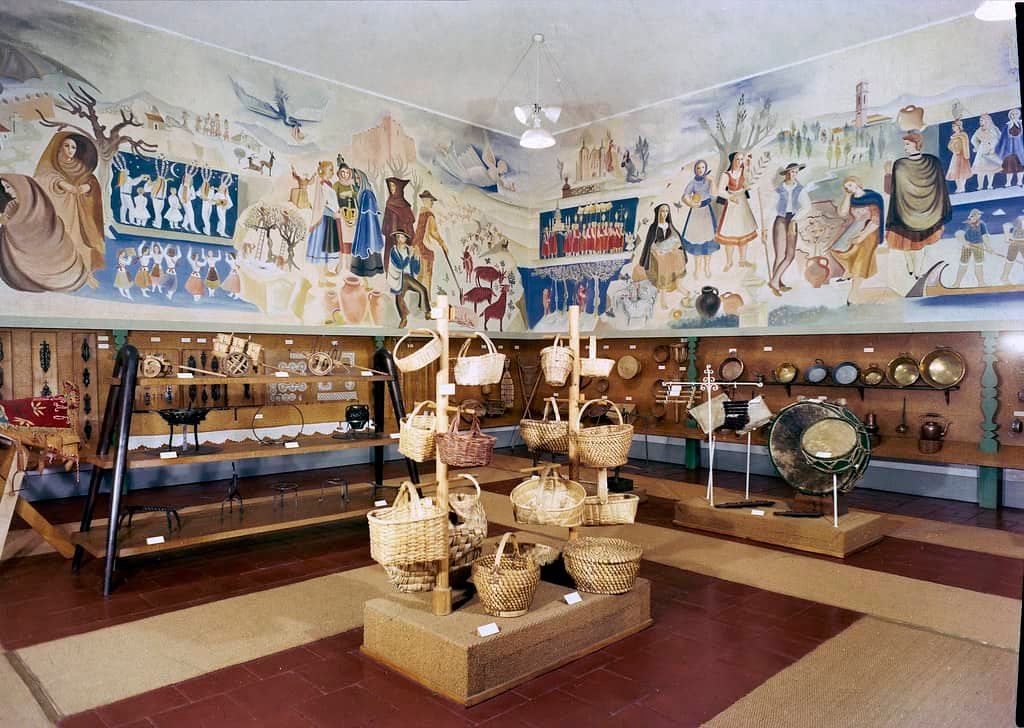
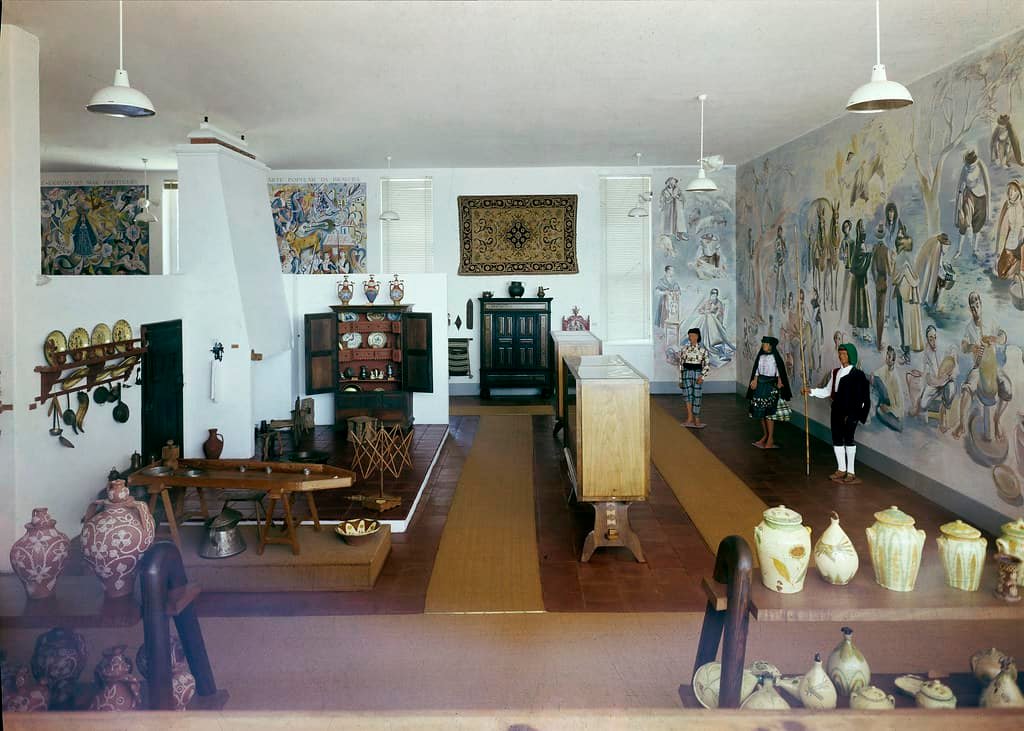
The Folk Art Museum houses a wide range of exhibitions and collections to suit different interests and preferences. The exhibitions are organized into five rooms corresponding to five regions of the country: Entre-Douro-e-Minho; Trás-os-Montes; Algarve; Beiras; Alentejo and Estremadura.
The current collection includes a wide variety of art pieces such as the Minho ceramic shoulder capes and roosters, the Trás-os-Montes basketry, the Alentejo ceramic clappers and pottery, and fishing equipment from the Algarve.
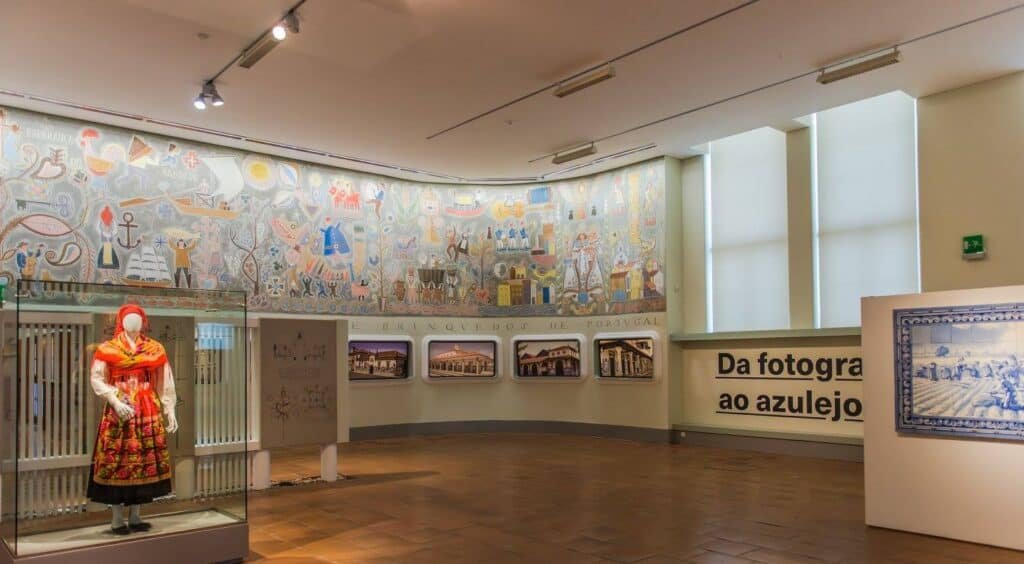
In addition to the permanent collections, the museum also hosts temporary exhibitions that explore specific themes or artistic movements. These exhibitions offer a fresh perspective on art, allowing visitors to engage with contemporary issues and ideas. From photography to sculpture, each exhibition is carefully curated to create a meaningful dialogue between the artworks and the public.
Tips for visiting the Folk Art Museum
To make the most of your visit to the museum, here are a few tips to keep in mind:
1. Plan your visit in advance: Check the museum’s website for opening hours, ticket prices, and any special exhibitions or events taking place during your visit.
2. Allow enough time: The museum is vast and there’s a lot to see! Plan to spend at least two hours so you can explore the different exhibitions and collections.
3. Engage with the artworks: Don’t just passively look at the artworks. Take some time to read the information that accompanies them.
4. Photography restrictions: Check the museum’s photography policy before taking pictures. Some artworks may have restrictions due to copyright or other conservation reasons.
5. Respect the space: Remember that the museum is a cultural heritage site. Follow the rules, such as not touching the artworks, and keep a respectful distance from the exhibits.
Nearby attractions and activities
Before or after visiting the Folk Art Museum, take some time to explore the surrounding area. Lisbon is a city full of history and charm, offering a myriad of attractions and activities for visitors. Just a short walk from the museum, you’ll find monuments that are also well worth a visit, such as the Belém Tower, the Monument to the Discoveries, the Belém Cultural Center and the Jerónimos Monastery.
For stunning views of the city, head to viewpoints such as the Miradouro da Senhora do Monte or the Miradouro de Santa Luzia. These scenic spots offer a glimpse of Lisbon’s stunning architecture and the Tagus River.
However, if you’d like a more exclusive and unique suggestion, take a boat tour where you can see this monument and many others from the Tagus River.


