


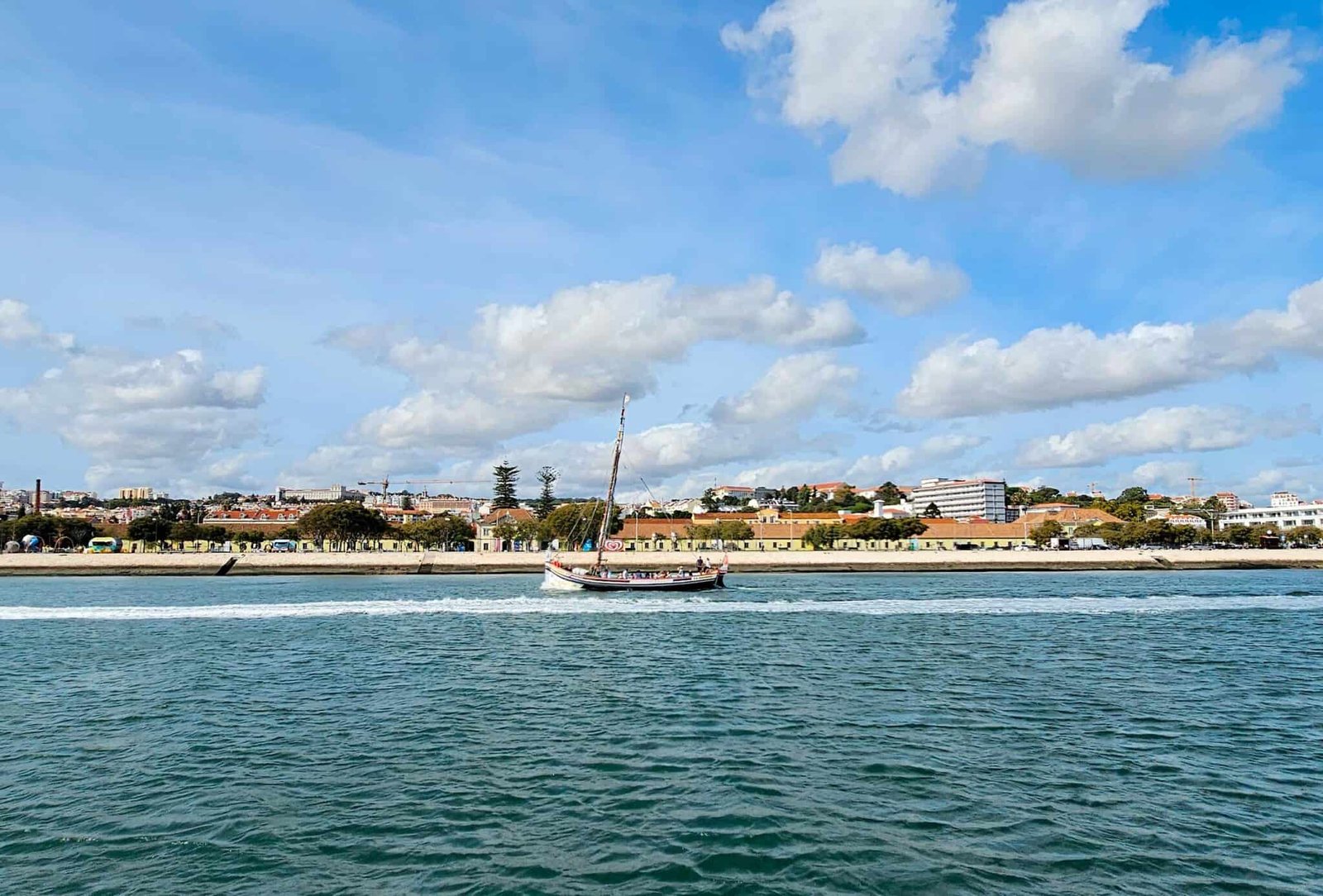
The Fábrica Nacional de Cordoaria or Cordoaria Nacional, as it was called after the earthquake of November 1st, 1755, has a huge historical significance for Lisbon. Built in the second half of the 18th century under the Marquês de Pombal, it served as a crucial establishment for the production of ropes, cables, sails and other equipment used by the Portuguese Navy. Lisbon was a busy port city, so its maritime industry relied heavily on strong and durable ropes.
The Cordoaria Nacional became the epicenter of rope production, supplying the navy with high-quality ropes that were essential to the success of their naval expeditions.
In 1998, the Fábrica Nacional de Cordoaria was officially closed by the Government, completely shutting down its manufacturing activity. In 2000, a museum dedicated to the rope factory was created.
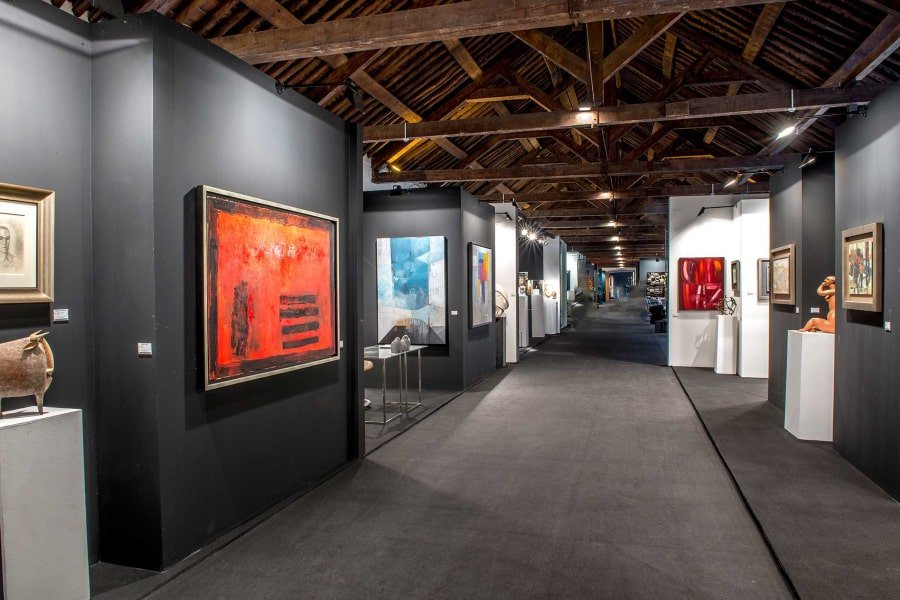
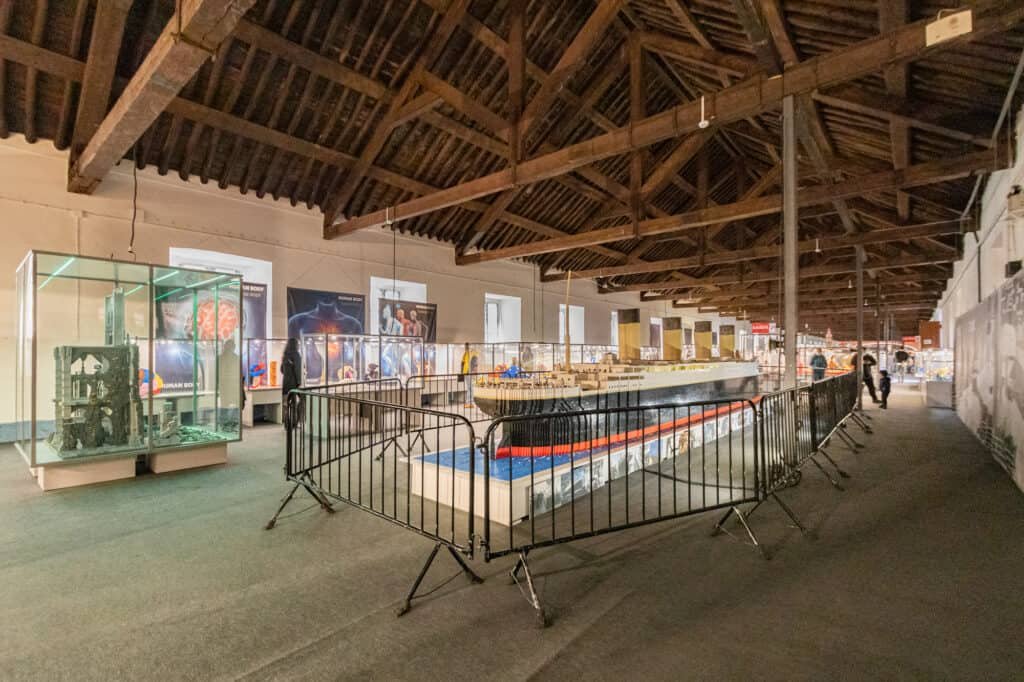
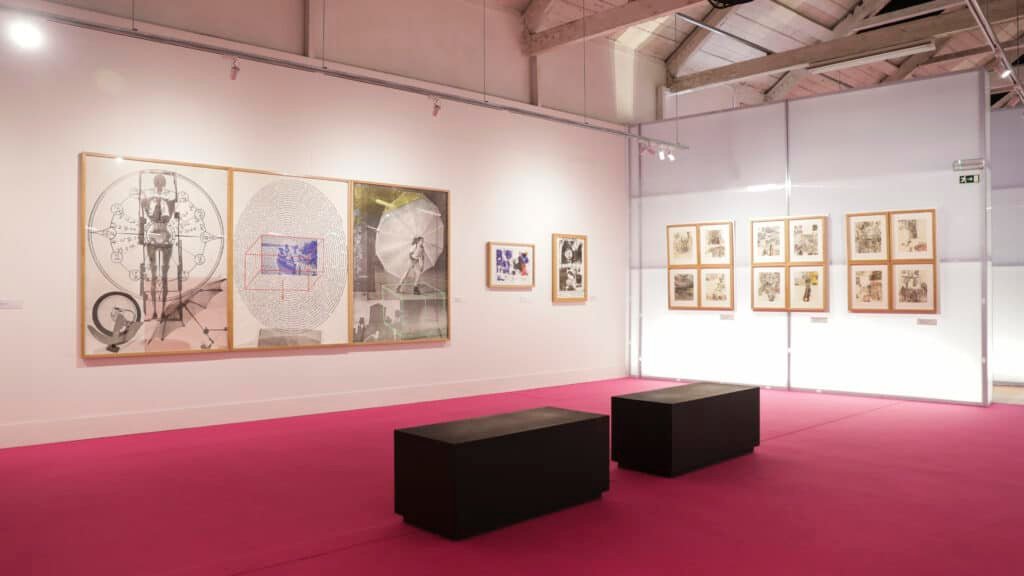
Currently, the Cordoaria Nacional is a cultural space for temporary exhibitions and also houses the Historical Archive of the Navy.
The role of the Cordoaria Nacional in Lisbon’s maritime industry
The Cordoaria Nacional played a crucial role in the development of Lisbon’s maritime industry. Ropes were essential for sailing vessels, being used for mooring, anchoring and various other purposes. The large-scale production of ropes ensured a constant supply to the Portuguese Navy, allowing it to maintain its dominance on the seas.
The ropes produced were not only of superior quality but also had strategic significance. Their strength and durability allowed Portuguese ships to withstand the adverse conditions of long voyages, giving them a competitive advantage in exploration and trade.
Furthermore, there was also a significant impact on the local economy. The Fábrica Nacional de Cordoaria provided employment opportunities to a large number of workers, from rope makers and spinners to carpenters and engineers. The prosperity brought by the rope production industry contributed to the growth of Lisbon, transforming it into a city with a strong maritime identity.
Preservation and restoration of the Cordoaria Nacional
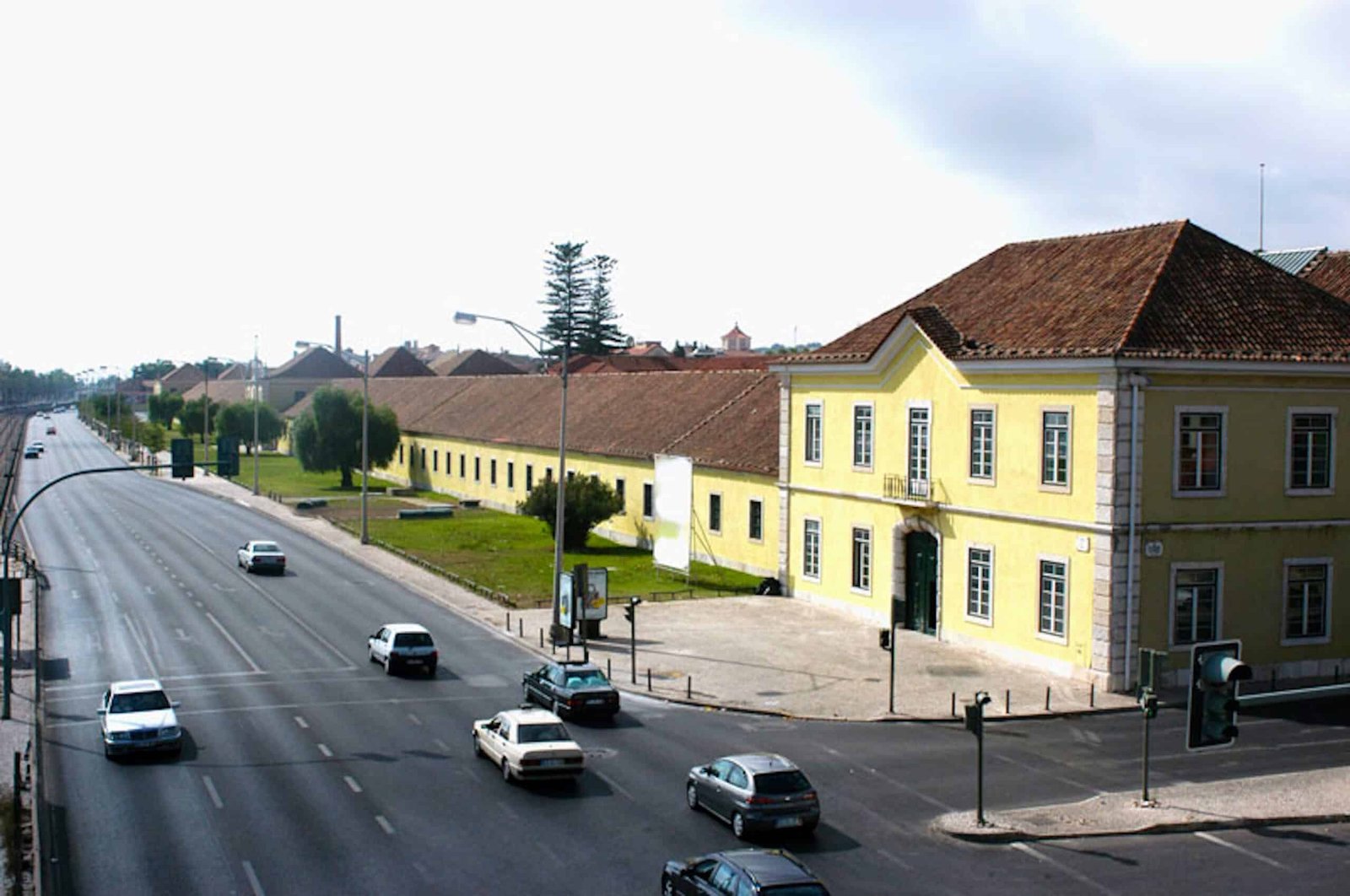
The preservation of the Cordoaria Nacional has been a task for many individuals and organizations. Recognizing its historical and cultural significance, restoration initiatives have been undertaken to ensure the longevity of the building. With the purpose of finding a balance between preserving the original features of this building and adapting it to contemporary needs.
This monument of 18th-century industrial architecture has undergone several interventions during the 19th and 20th centuries due to fires and the need to install various services.
In 2017, the first phase of works for a new pavement for the tram channel in the Cordoaria Garden was completed. In early 2023, a public tender was launched for phase 2 of the garden rehabilitation process.
Visit the Cordoaria Nacional
Due to its generous event space, the Cordoaria Nacional hosts and organizes numerous activities such as: themed visits, markets and fairs, theater and dance performances, exhibitions for adults and children.

In short, this building is a testament to Lisbon’s maritime heritage and the resilience of its people. From its humble beginnings as a vital center for rope production for the Portuguese Navy to its transformation into a symbol of industrial progress, this building has witnessed the ebb and flow of history. Today, it serves as a reminder of Lisbon’s maritime glory and the profound influence it had on the development of the city.
The Cordoaria Nacional is open to the public, with various exhibitions on display. Learn more here.
Alternatively, you can also observe the Cordoaria during a boat tour tailored to you along the Tagus River, we are available for you.


