


From the historic Belém Tower to the beautiful Cascais Bay, you’ll find several perfect settings for an exciting regatta in the Lisbon region. The important thing is to have wind and the will to participate in a memorable experience.
A brief history of regattas in Portugal
Initially, during the Age of Discovery, regattas were organized to test the speed and maneuverability of vessels. These races attracted the attention of many spectators and were already known as “galleon regattas.”
In 1892, the Lisbon Naval Club was founded. At this time, there was a strong growth in the popularity of nautical sports, especially regattas. Since then, they have become an important part of Lisbon’s maritime culture. Currently, regattas are held regularly throughout the country and attract curious visitors from all over the world.
What exactly is a regatta?
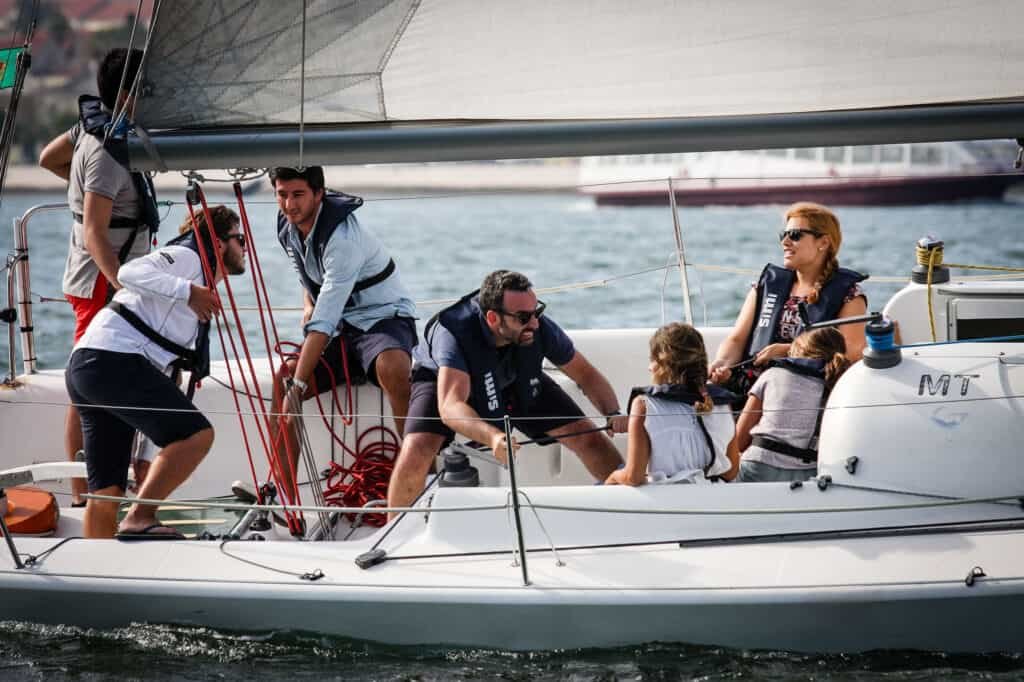
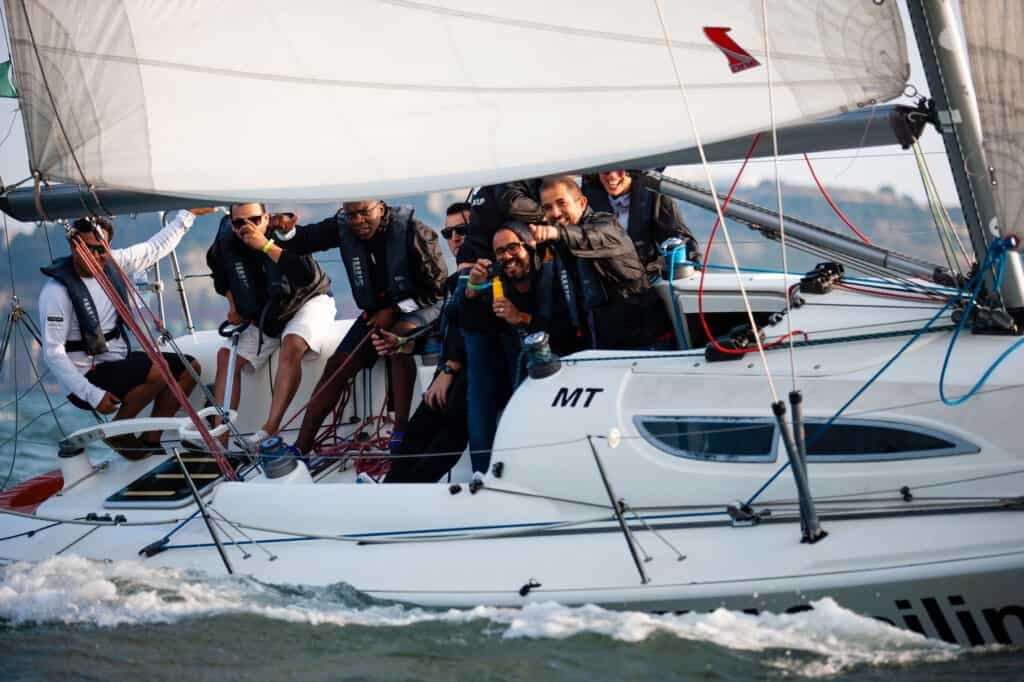
A regatta is a competition between boats trying to complete a certain course in the shortest time possible. To achieve this goal, the vessels need to adjust their sails properly to get the most out of the wind. Rapidly changing winds can create additional challenges, requiring sailors to adapt quickly.
Regatta organizers generally monitor wind conditions on the Tagus River before and during the event to ensure participant safety and adjust the course if necessary. These courses are defined with buoys and established by the regatta committee (which acts as a jury).
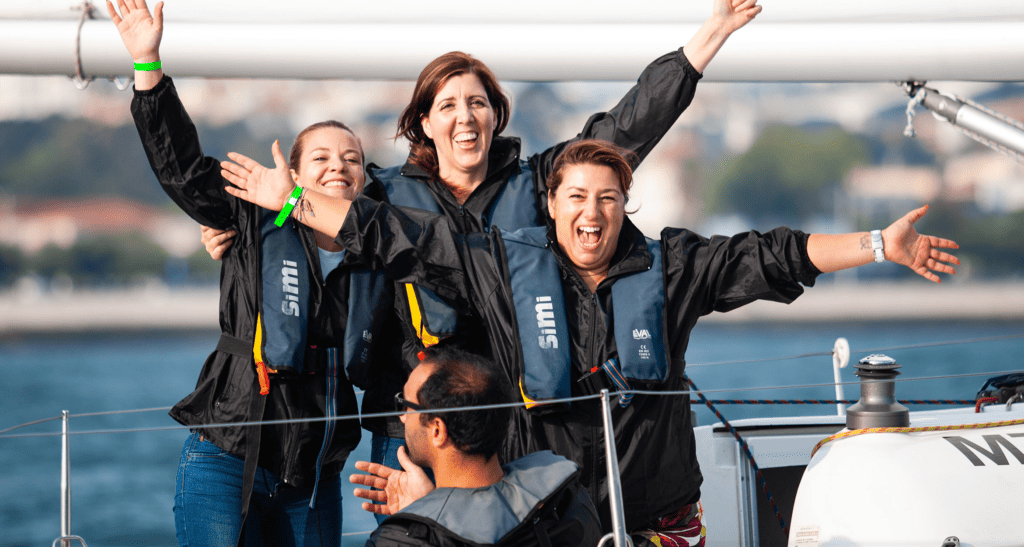
In these competitions, vessels are separated by classes and the number of crew members can also vary. It is suitable for all ages, whether you are experienced or just curious about the field.
At the end of the races, an imaginary finish line is usually defined between a buoy and a small boat (from the regatta committee). After crossing the “line,” the judges sound a horn to signal the end of the sailboat’s race, recording the time achieved during the event.
Correlation between boats and companies
There are many similarities between boats and companies. The analogy is simple to understand. And it’s even simpler to draw the respective lessons for the business world.
Let’s start at the beginning. Companies have goals. So does a boat trip. Usually, it’s to reach a destination within a certain period of time. Preferably sailing through calm waters with few surprises. To do this, you have to define a strategy, set a course, and have an action plan. Just like companies, which also establish objectives (quantitative and qualitative), as well as strategies, tactics, schedules, and budgets.
Organizations systematically seek information about the context in which they operate to make better decisions. For example, socioeconomic, political-legal, technological, and cultural information, as well as data on competition and consumer behavior. Those who steer vessels also seek contextual information about the environment they are in. Questions like “weather forecast for the next few days/hours,” “tide times,” “wind origin and intensity,” or “if storms are visible on the horizon” are frequent. These are all examples of external variables that are important to monitor. Let’s remember that this is where opportunities and threats reside.
…
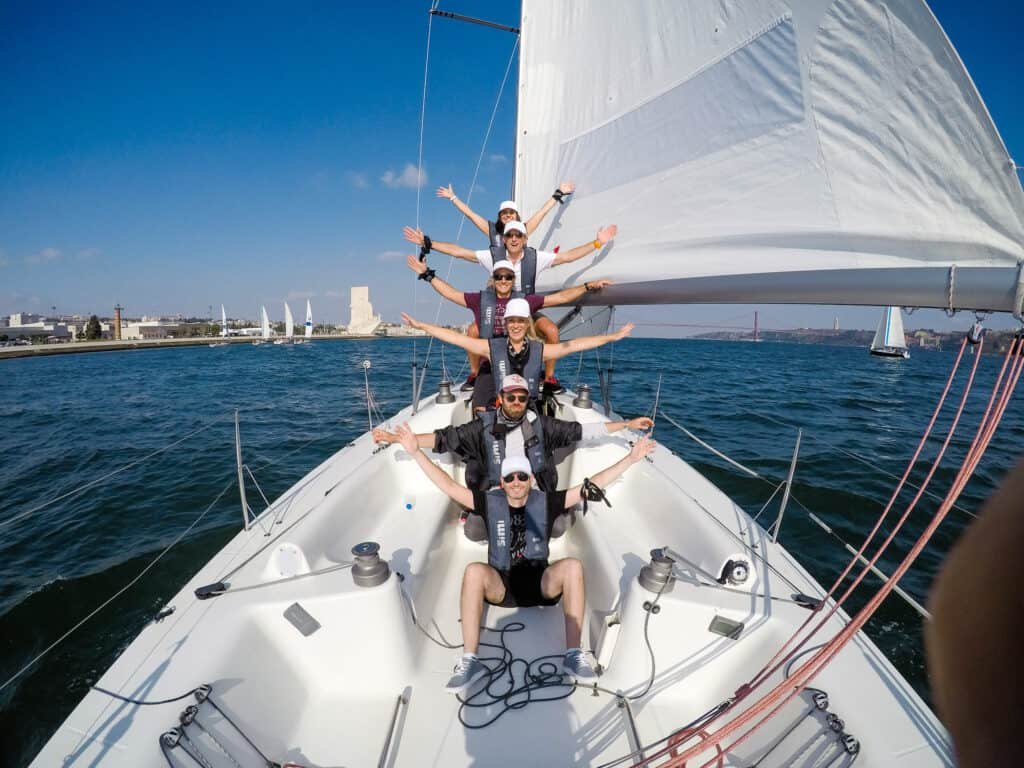
Obviously, there are external variables we don’t control. The emergence of a pandemic or the start of a war are clear examples of this. Just like a stronger gust of wind, a larger wave, or a tsunami. And this implies the need for adaptation.
“He who goes to sea prepares on land” is a popular saying that reminds us of the importance of planning before the journey begins. Before a boat starts its trip, meticulous planning is undoubtedly essential. This includes checking the vessel’s condition, the weather, the route, and the supply of provisions. Similarly, a company must plan ahead. This involves market analysis, strategy preparation, resource allocation, and ensuring that all aspects are ready to face the challenges the market may present.
To ensure safe navigation, the boat must have a solid structure. Similarly, a company also needs a solid organizational structure and a healthy financial base to survive.
Finally, communication. Communication is another fundamental aspect for coordinating the crew’s actions. Just as in companies, internal and external communication is vital to ensure everyone is aligned with their goals and to meet customer needs and expectations.
Have you thought about participating in a regatta on the Tagus?
Organizing a regatta on the Tagus River is a task that requires knowledge of local waters and conditions. Our team has passionate and knowledgeable experts in the field, ensuring that every detail is handled with the utmost attention. From selecting the ideal route to logistics management, we are prepared to offer an unparalleled experience.
Participant safety is a priority. We have modern and safe vessels, as well as a certified team capable of handling any eventuality. Additionally, we keep a watchful eye on weather conditions and other variables to ensure a safe and pleasant environment.
With a combination of local knowledge, nautical experience, and a passion for the sea, we are ready to create a personalized regatta that meets all your expectations.
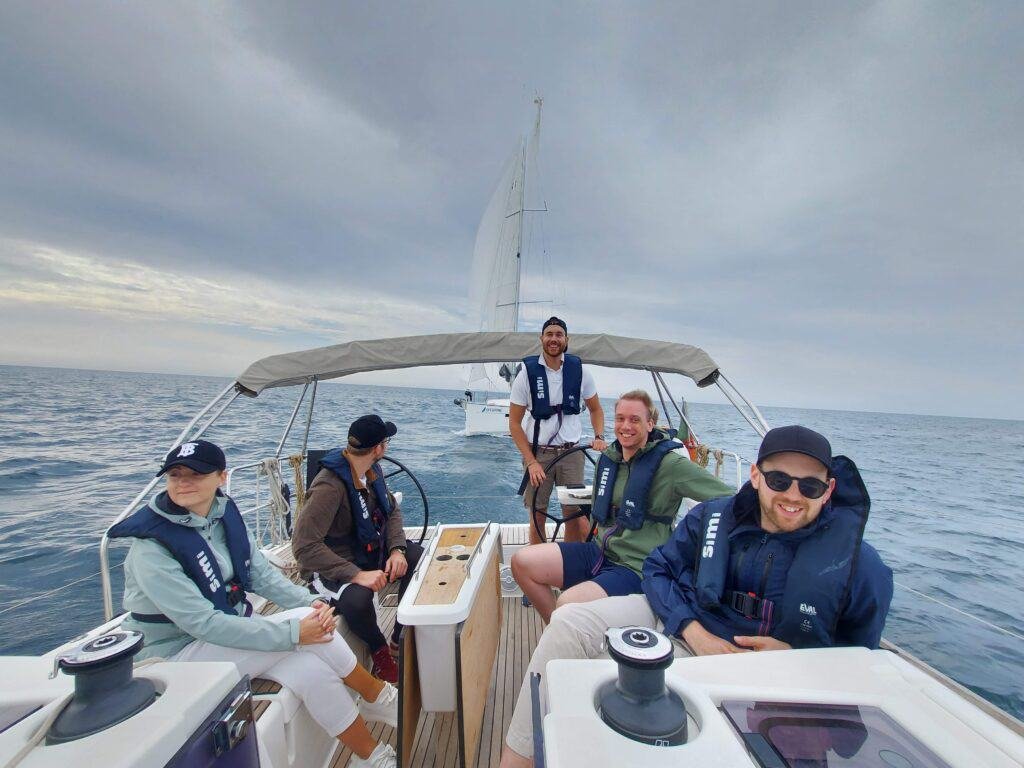
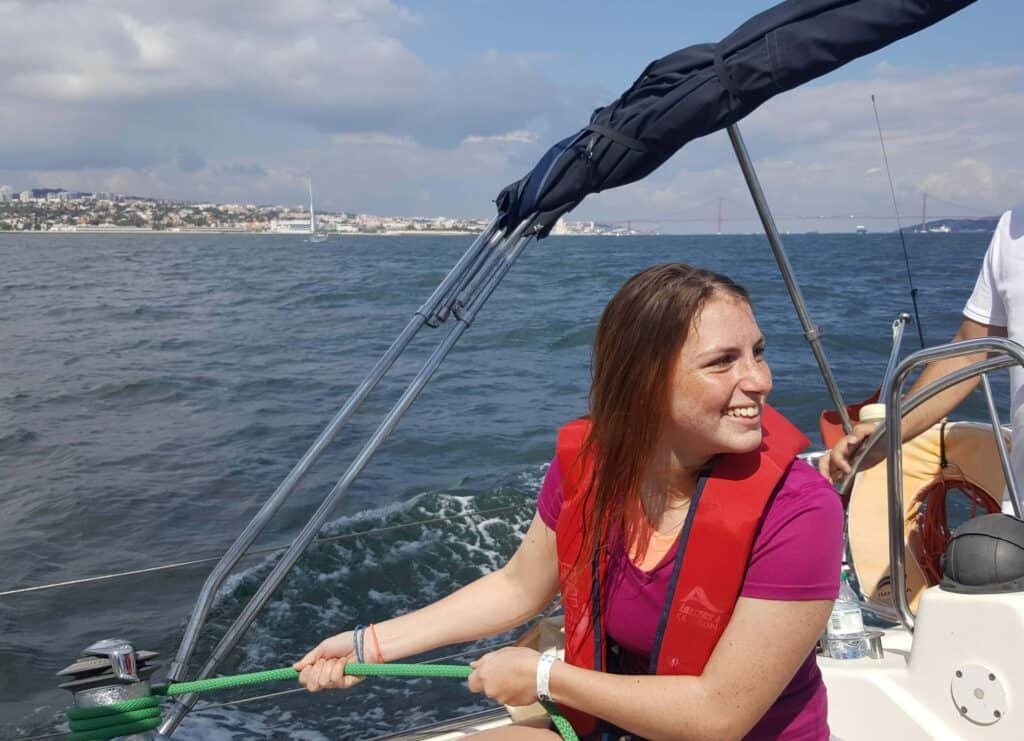
Our participation in the Plastimo Regatta 2024
In 2003, Plastimo organized the largest regatta ever in Portugal, gathering around 152 sailboats on the Tagus River and providing a stage for 1,500 participants.
This year, to celebrate 30 years of Plastimo in Portugal, the historic regatta returned. On September 21, 2024, the regatta with over 100 boats in the water took place on the Tagus River during a day when weather conditions initially didn’t look very good. That is, the wind wasn’t in our favor—or in this case, the lack of it. 😀 The lack of wind required skill and strategy from the participants to make the most of every gust.
This year’s edition was marked by challenging courses and moments of great adrenaline, with sailors from various parts of the world. The Lisbon Sight Sailing team worked hard to give their best!
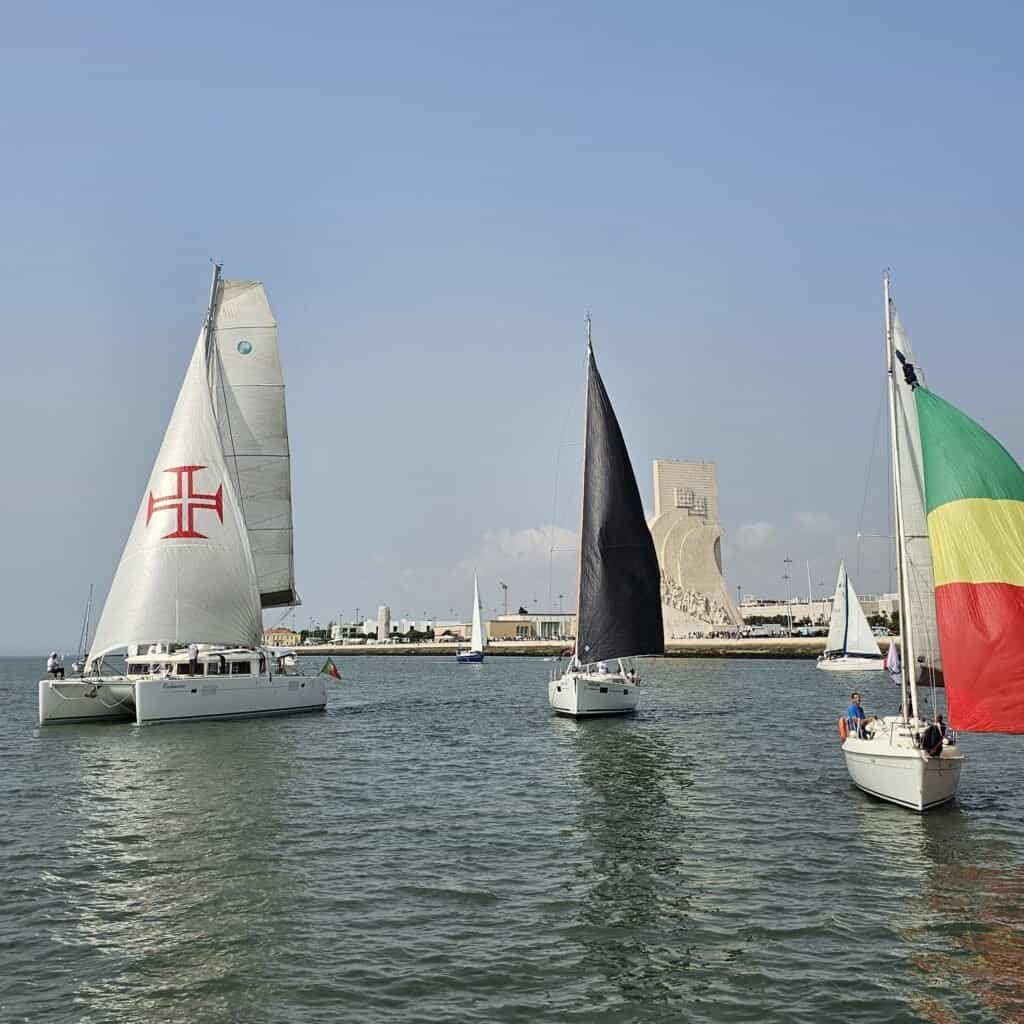
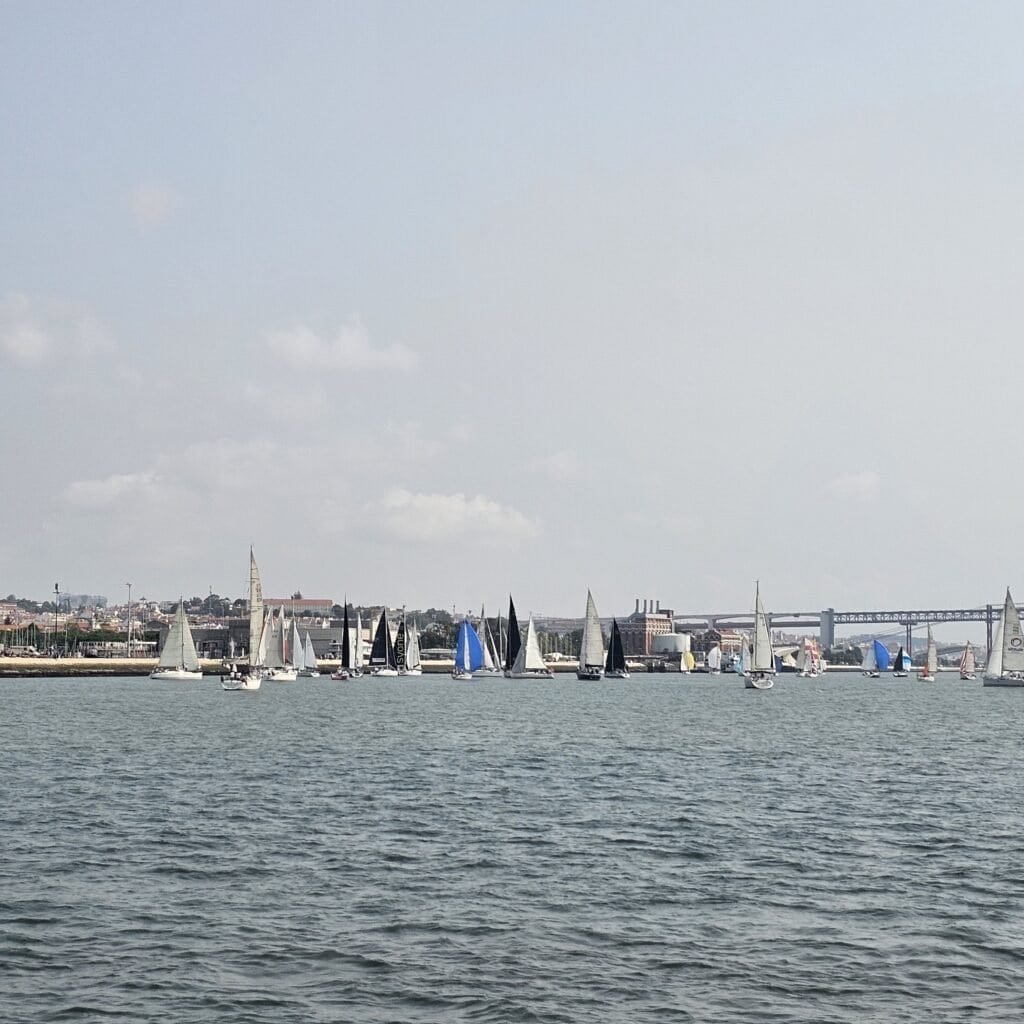
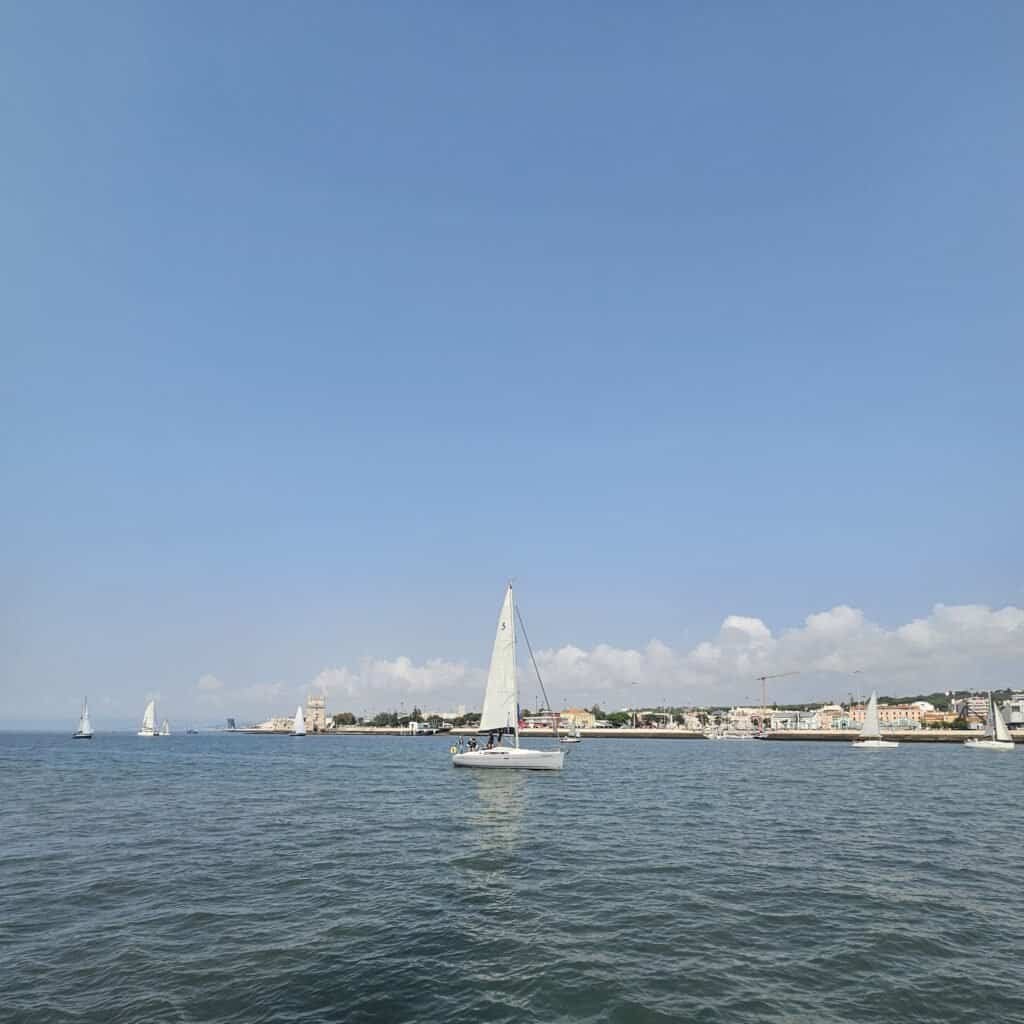
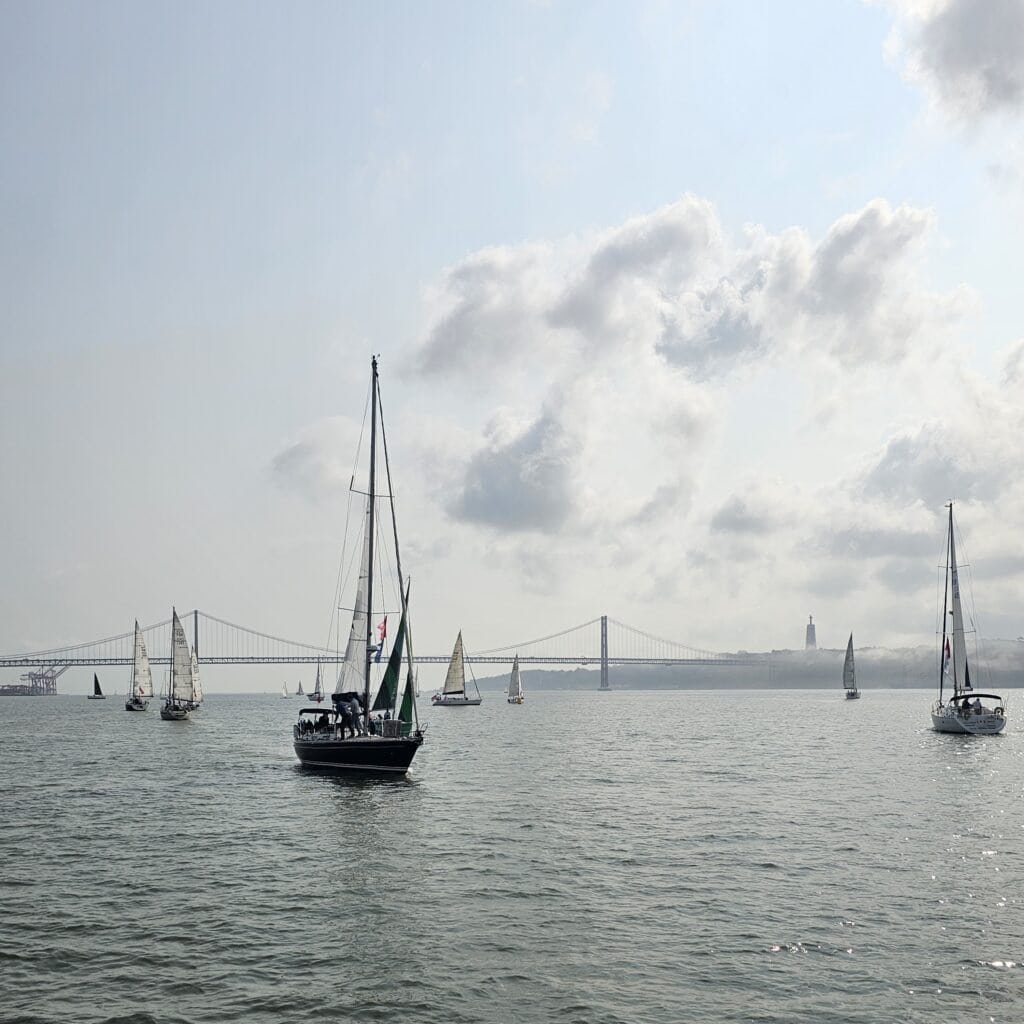
Salete Novaes, one of those responsible for the organization, highlighted the importance of the regatta for the national sporting calendar and the Siroco Group’s commitment to nautical activities.
The awards ceremony, held at Tapada da Ajuda, was the highlight of the event, bringing participants together in a festive atmosphere.
With a course full of surprises and fierce competition until the last second, the Plastimo Regatta 2024 exceeded all expectations. The Siroco Group, with 30 years of history, thus consolidated its position as a leader in the nautical sector and ensured that the Plastimo Regatta continues to grow and inspire new sailors.
Organize a regatta with us
In summary, regattas on the Tagus offer an exciting experience for both sailors and spectators. They are part of an ancient tradition that brings life to the Tagus River. Thanks to the stunning scenery provided by our coast and the existence of “good winds,” Lisbon is a popular destination for regattas in Portugal.
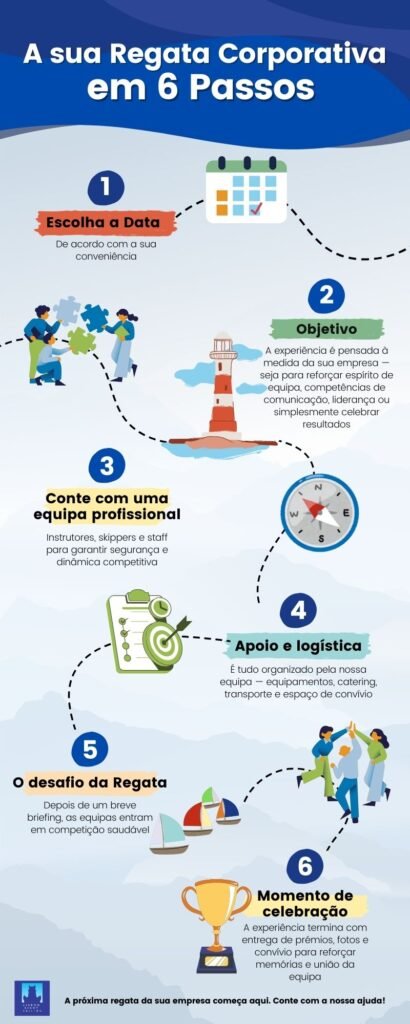
Don’t miss the opportunity to create incredible memories. By choosing us to organize your regatta on the Tagus River, you are opting for excellence, safety, and dedication. Get in touch with us to plan your regatta and find out more about pricing and conditions. Let us show you why we are the best choice for adventures on the Tagus River!


